-
Untapped Energy in America
We do not leverage our abundant energy resources. America has the LARGEST proven reserves of BOTH natural gas AND coal in the entire world! We could have dirt cheap electricity and natural gas for heating our homes and cooking, but the stupid envirowackos and liberal loons, a liberal Senate and Obama won’t let us do it! It’s unbelievably stupid. If ANY other country had these reserves they would fully exploit them! -
Obama fiddles while the world burns!
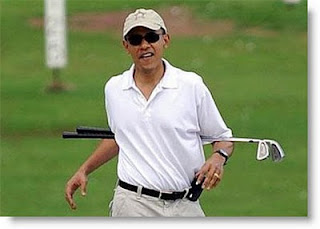
The Middle East is in utter chaos, gasoline is over $4/gallon, unemployment rate still at 9% (true rate closer to 20%), US is $14 trillion in debt, Japan faces an overwhelming humanitarian crisis following the record earthquake and resulting tsunami, and now with 4 of the 6 nuclear reactors at Japan’s Fukushima site in various stages of meltdown the world faces the greatest radioactive threat since Chernobyl so what is Obama concentrating his energy and attention on? Golfing and the NCAA college basketball tournament, so-called March Madness! I guess with Obama the madness moniker is apropos. Obama the man-child is without question the worst president in US history and one of the worst Western leaders in modern times. He is unable to act, paralyzed by doubt and a weak intellect unable to synthesize complex information and act decisively, further Obama seems to be milking the presidency for his family and his personal benefit: constant golfing (61 trips in barely 2 years!), constantly jetting off on vacation, more state dinners and black tie events than any other president two years into presidency. He does not care about America, nor does he care about global stability. He only seems interested when it serves either his personal enjoyment or marxist far left political philosophy. He is an international joke, the emperor has no clothes! Now that we have multiple crisis requiring his utmost attention he just tunes out and cares more about a silly basketball tournament and improving his back swing! UNBELIEVABLE! PLEASE IMPEACH OBAMA AND SAVE AMERICA! Oh he also cares about re-election and you can bet what little free time he has between all his golf outings, sports viewing, vacations and parties will be devoted to the 2012 campaign. I pray the Republicans finally put forward a genuine conservative candidate who is charismatic and electable! 2012 WE TAKE BACK AMERICA! Donald Trump says it well:
“For him to be playing golf the day of and the day after… I think is very inappropriate… The image of him on a golf course while Japan is in the kind of trouble, this is catastrophic trouble, I think is totally inappropriate, and I say that as a person who owns some of the greatest golf courses in the world!”
Obama is so arrogant and clueless he doesn’t even care how bad this looks! George Soros and his cabal was probably like:
“Listen up dumbo, your job is to raise the price of oil, destroy the US economy so we can plunder it by buying up assets cheap and stealing trillions from the Federal Reserve and Bailouts/Stimulus and tear down conservative American institutions and replace with Marxist-Leninist ones so we can control people, after you do that you’re free to party, vacation, watch sports and golf all you want!”
-
Hombre (1967) – review
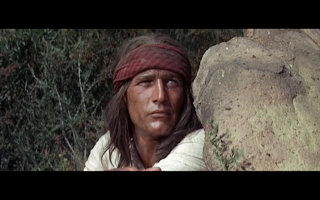
Hombre – a solid western starring Paul Newman. He plays John Russell, a white man raised by the Apache since childhood on a reservation. The plot is fairly simple, Russell escorts a group of people on a coach wagon to another town and in the process they are held up by bandits. This film does not sugarcoat frontier life and we are told of the cruel and unfair plight of the Native Americans and witness acts of racism against them. At one point on the coach trip Russell is told to sit on top (with the other minority, a Mexican character) due to the protests of Mrs. Favor (played by the gorgeous Barbara Rush), she doesn’t want such a “savage” man in the coach with the civilized white folk. Ironically, later on Russell sacrifices his own life to save her from the bandits, when even her own husband is afraid to act on her behalf. A major theme of the film is greed. It drives a disillusioned town sheriff to join the bandits. The West is accurately portrayed as a harsh and unforgiving environment.
-
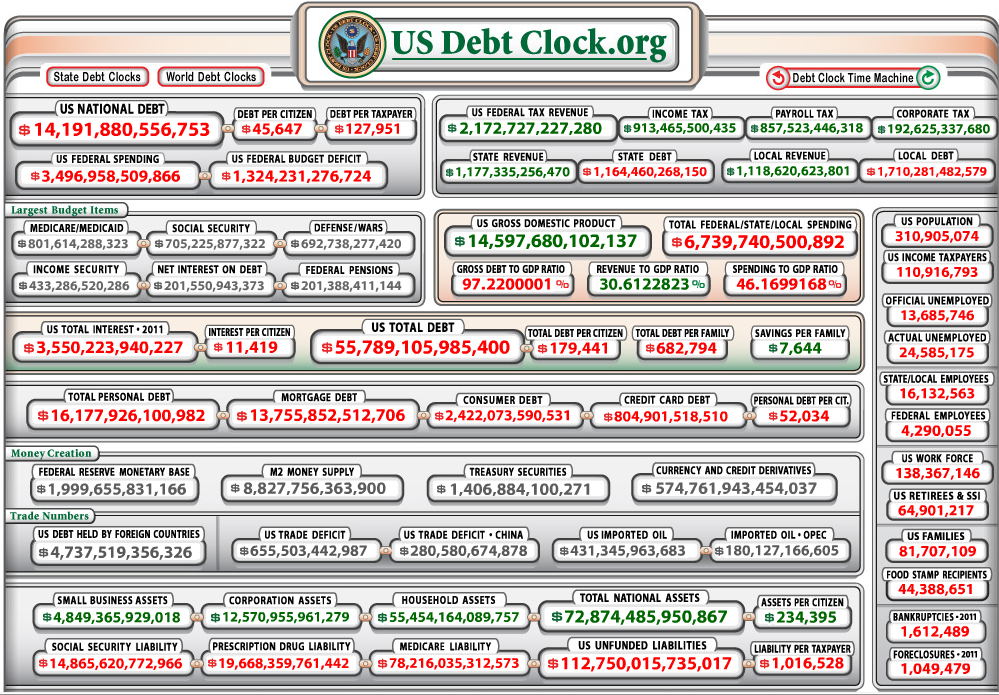
US Debt

US Debt as of Feb. 28, 2011 at 7:49 AM EST. -
The Fed
The Federal Reserve is a wholly illegal and unconstitutional enterprise. It is used by the global cabal of financiers to extract trillions from the US economy for these robber barons! Right now the Fed is pumping trillions of dollars into the economy, driving up inflation, raising interest rates and further devaluing the US dollar which in turn raises the price of petroleum since it’s pegged to the US dollar. This is one of the greatest criminal conspiracies in world history. When will the American sheep wake up and open their eyes to this truth!? -
Western Democracy
Just listened to the radio segment "Sunset of the West" on the NPR radio program
The Brian Lehrer Show.
Author Dambisa Moyo argues that through short-sightedness and folly the West has
contributed to its decline.
Some thoughts:
For Western style democracy to work it needs a majority of the people to be educated
and to have a certain level of morality.
None of the longest lasting empires in history were democratic. The Greeks
experimented with some democratic ideas, but only in a very limited way. And of
course most of Greek society was excluded, unless they were a powerful Senator.
The Greeks believed in essentially top-down rule. They had slavery and women were
treated as outright property in Greek society. Their plight bettered somewhat
during Roman rule. There was still slavery and minority groups like Jews and
Christians were expected to tow the line and submit to Caesar. If minority groups
pushed for any degree of autonomy they would be ruthlessly crushed. Look at the
Jewish revolt in 69 AD. It's interesting to note that slavery was the norm for
thousands of years and even in modern times it still exists.
The neoconservatives talk about democracy as if it is a sort of magical all
powerful elixir. Just sprinkle it on any problematic country and overnight you
will see a moral and economically vibrant society emerge! What rubbish.
It is sheer folly for us to be pushing democracy in the Middle East. I agree that
we are doing it to advance corporate interests. However some writers, particularly
in The Economist, seem to think this is somehow a unique American phenomenon and
it isn't. Every country acts selfishly for its own interests. Islamic law (sharia)
is simply not compatible with a progressive liberal (in the classical sense)
Western democracy. The two examples held up as the greatest Islamic democracies
were Egypt and Turkey. Egypt looks like it very well may fall into Islamist rule
when elections are held and the Muslim Brotherhood takes power. And both countries
have horrible human rights abuses against non-Muslim minority groups. In countries
like Turkey such abuses are even codified into law. It is a crime in Turkey to
mention the Turkish genocide of the Christian Arminians in 1915. America is in the
Middle East for oil interests and other corporate interests period.
Our own republic is not in great shape either with respect to our lauded
democratic society. The wealth gap is significant and accelerating Warren Buffet
has warned against this. Through apathy and ignorance the American electorate
keeps choosing politicians who put their own selfish interests first. Rather than
advance the pressing interests of the electorate they seek to enrich their own
personal wealth and power and bow to corporate interests. We have a dysfunctional
democracy. No matter that America is still the world's #1 economy and military
superpower and all of the money that was generated in the past decades has done
little to alleviate poverty or to increase the quality of life for the average
American. We have less purchasing power now than our parents or grandparents
generation. Personal debt is a serious problem. The government now has an
astronomical level of debt and a huge trade deficit. During the last 25 years as
globalism and free trade expanded we saw America lose 20 million jobs. The housing
market is still in shambles and will take decades to recover, over half of all
residential mortgage holders owe more than their home is worth; foreclosures are
at an all time high. Over 40 million Americans are on foodstamps. Child hunger is
a real issue in the US. And knowing all this, does the government seek to help the
lower middle class and the poor? No. Instead the Fed pursues what I would consider
a criminal policy of pumping trillions of dollars into the economy and raising
interest rates, thus causing inflation to soar and the value of the US Dollar to
further decline. Now oil prices are back to $100+ per barrel and with the Middle
East blowing up will probably only get worse. This will also drive up the costs of
goods, particularly food at the worst possible time.
And morally America is in many ways very similar to the Roman Empire in her final
days as debauchery and hedonism took over. Only a massive spiritual awakening can
save America. This wicked nation must turn away from its sin and seek Christ.
Also I disagree with Mr. Moyo that the US should stop all foreign aid. We need to
be smarted in how we handle aid, it should be targeted and go to grassroots
organizations and NGOs that have proven they are able to get the job done. We need
to immediately halt our $25 billion per year to Egypt. We should pull back our
military presence from Europe significantly. Pull out of Japan and South Korea.
Trade wise we should stay open and not become isolationists, but we simply cannot
afford to keep policing the world, and what good has it done for us? The people
we've helped almost universally fail to appreciate our help, they are ungrateful and
come to resent our presence.
-
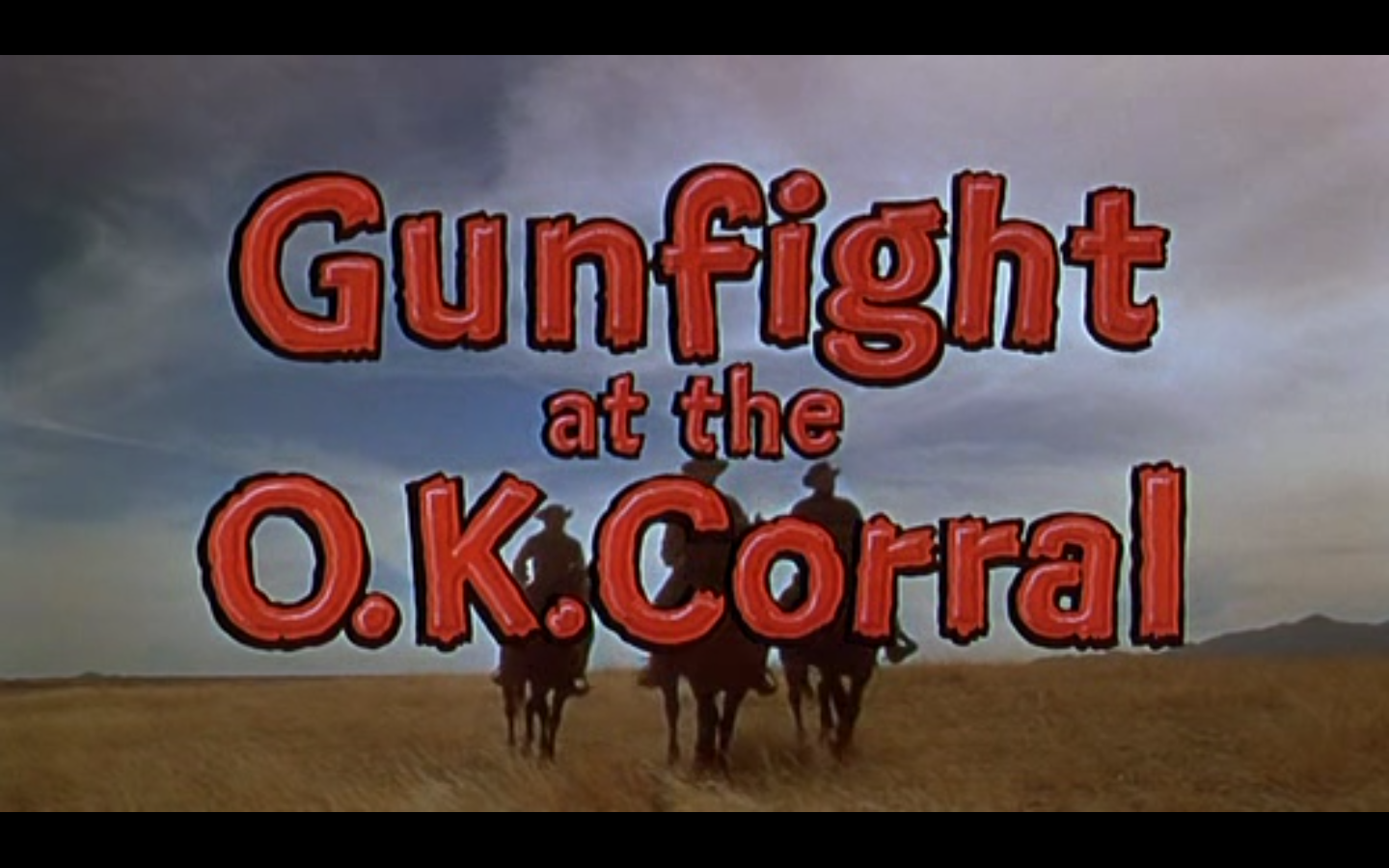
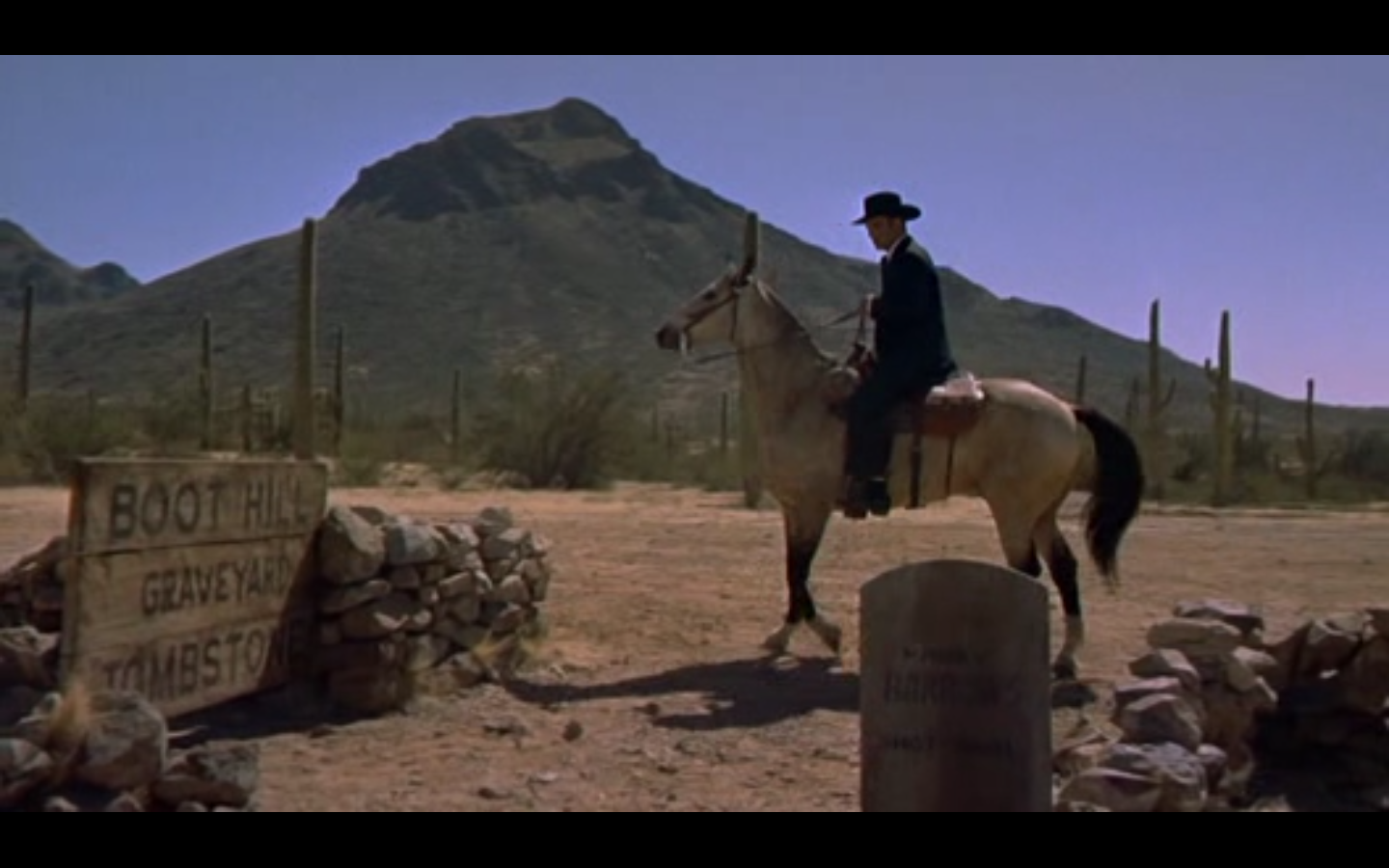
Gunfight at the O.K. Corral (1957) review

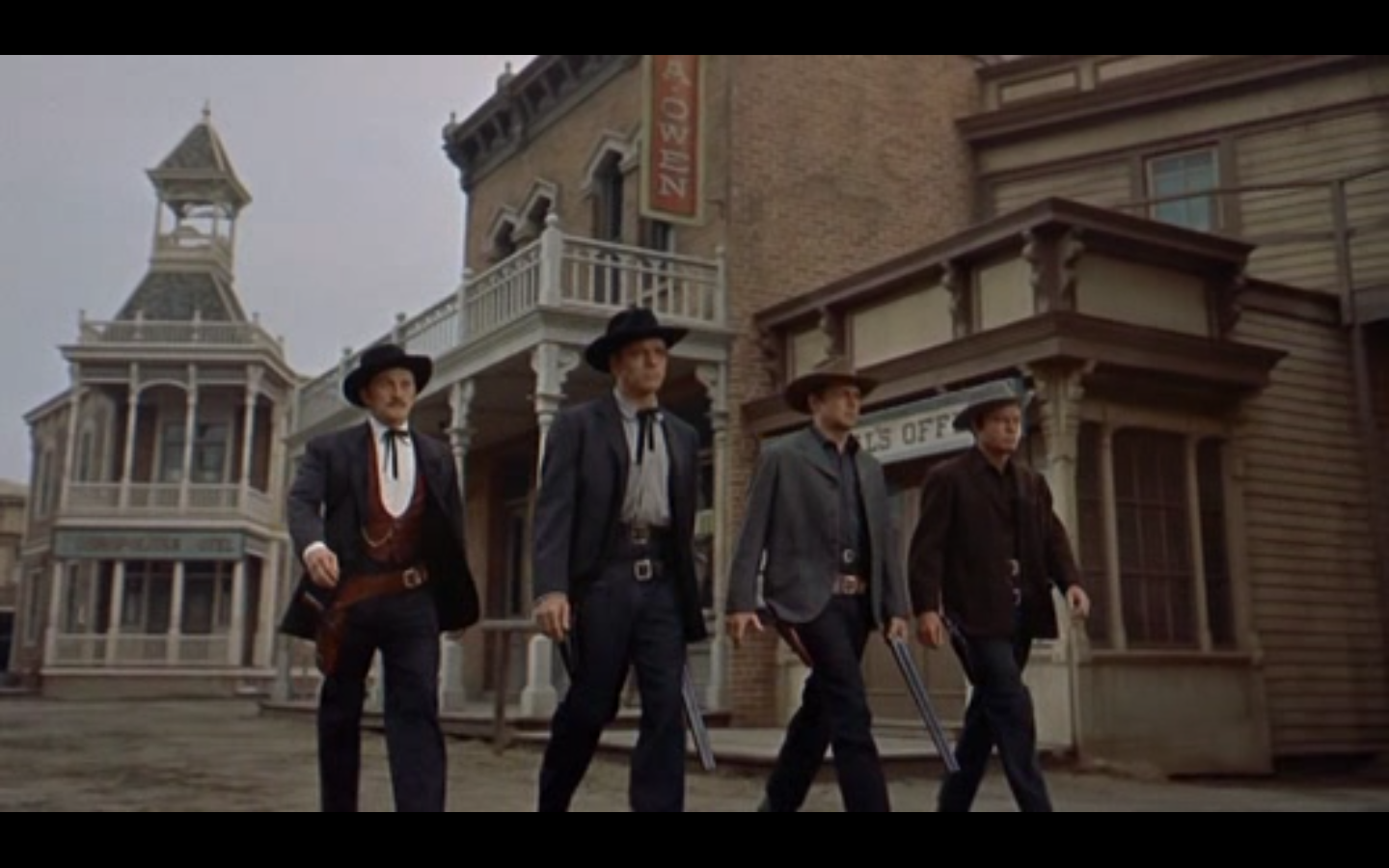
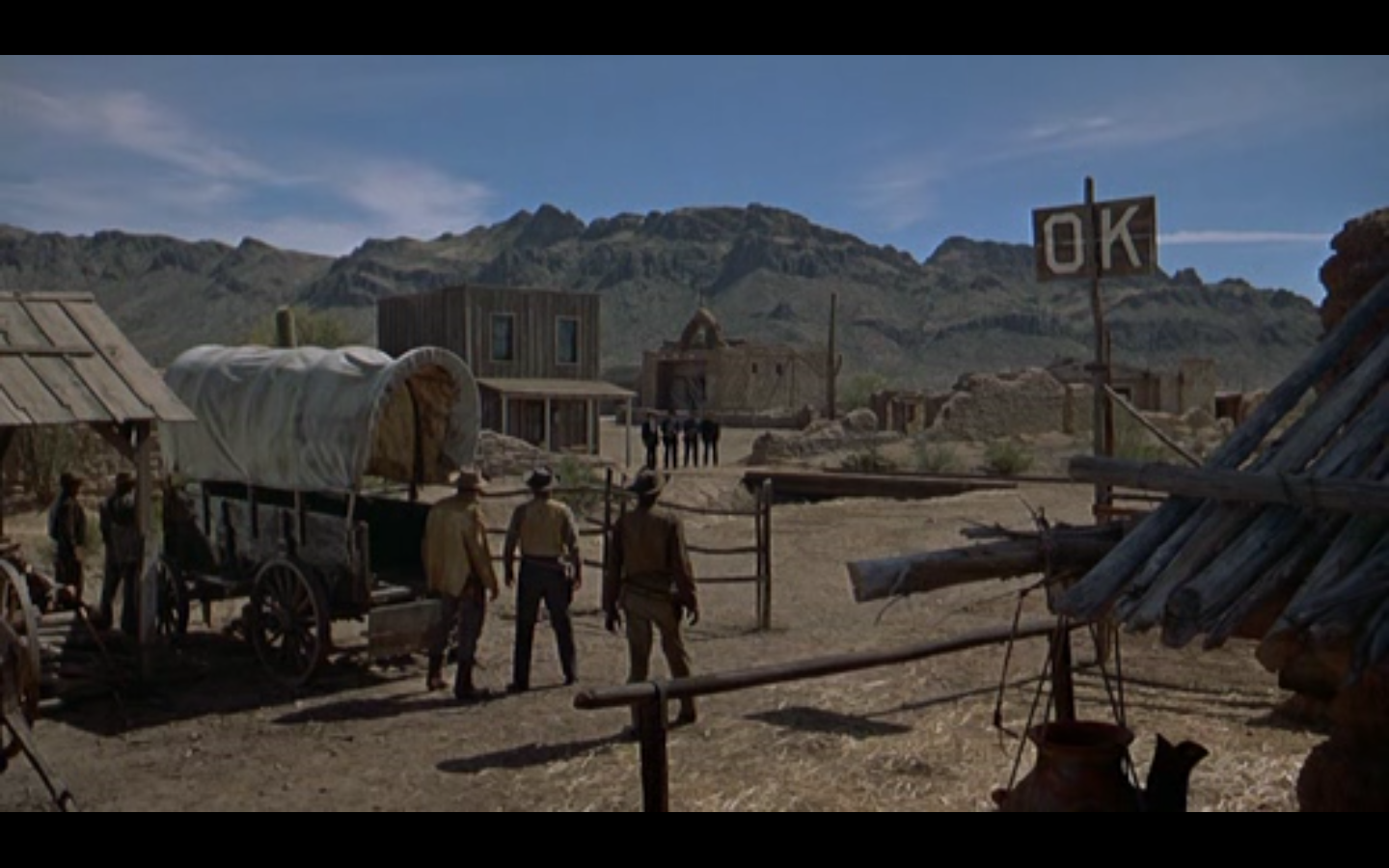
This is a great Western. It portrays the showdown between US Marshal Wyatt Earp, his brothers and friend Dr. John ‘Doc’ Holliday against cattle rustler Ike Clanton and his men in Tombstone, Arizona.
Stand out performances by Kirk Douglas and Burt Lancaster in the leads. Also features appearances by a very young Dennis Hopper and DeForest Kelly (Bones from Star Trek)!

Holliday’s family was struck hard by the Civil War and his parents gave everything they had left to send him to dental school. He became a dentist, but stopped seeing patients apparently because they complained about his cough. Doc likely had tuberculosis. He carries around a picture of them in a pocket watch and is clearly wracked with guilt and shame over what he’s become – a gunfighter. His parents are dead, yet he feels he’s let them down and contributes to a feeling of self-hatred and worthlessness. Explains why he is drinking, smoking and gambling himself into an early grave through such hard and unhealthy living. Even when explicitly asked if he had a death wish he muses that perhaps he does.
Wyatt wants to marry Laura, a beautiful gambler, but feels compelled to help his brothers first which leads to a fight and him departing for Tombstone.

Wyatt tries to warn the youngest brother off gun fighting. Several times in the film we’re told how sad and unglamorous the lifestyle is and the human toll it takes, especially on those closest.
The cinematography is really nice. Excellent acting by the leads and solid acting by the supporting cast. Very nice pacing. Excellent score which really complemented the flow of the movie
and key plot points.
We get to see the heavy price that is paid for choosing to be a gunfighter or a lawman. Neither side is glorified. Earp is the lawman who cannot be bought off, a tower of moral strength who just wants to get married and settle down on a ranch of his own in California. Holliday is a drifter, a gambler who lives by his wits and the quickness of his draw, self-loathing and weary of the live he’s found himself in at this stage of his life. Their friendship and the personal drama they face define this film, even more so than the iconic final showdown in my view. I highly recommend this film.

-
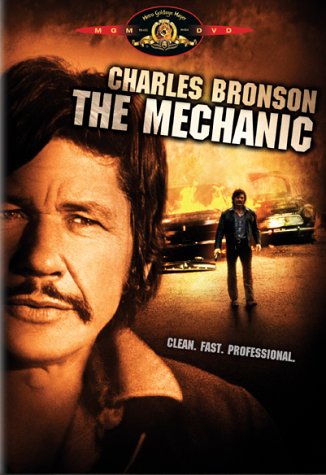
"The Mechanic" (2011) review

This remake of the classic version from 1972 with Charles Bronson had some things right, but overall it really falls short of even competing with the original, let alone besting it.
The 1982 film had a sort of detached coolness and a more visceral grittiness. These were professionals who did not get emotionally involved with the assignment. Jan-Michael Vincent’s Steve wanted to prove he had what it took to be at, what he perceived, an elite level. Also there was a late 60s, early 70s counter-culture subtext to his motivation. And that was really interesting. Whereas the analog in this remake comes off more as a listless wanderer who has no clear idea what he wants to do, but he thinks it would be cool to kill people and he is emotionally overcome by the revenge aspect.
Another fault I found was in the actual killings themselves. There was no detachment and precision. It was just raw death by torture in many cases. Sloppily fighting with the target, or shooting your way out of after a botched hit. Too much of the tired, formulaic “Hollywood modern action” was written and you lose all the nuance, the art of the kills which these mechanics would care about (even perhaps more than the monetary reward).
Hollywood films these days tend to assume the average movie viewer is a moron, so they try to connect as many dots for us as possible. This is patronizing and downright offensive. The match up between the old and new Bishop illustrates this glaringly. Bronson’s Bishop was about control, he was in supreme control and his downfall was letting his emotion hinder that control. Everything he did was calculated. And this was no brute, he was a cultured assassin. I felt that the writers tried to convey this with Statham’s Bishop but it came across very hammy (the numerous shots of his record player) and forced. Also time and again in this remake we saw a Bishop that seemed to be driven by almost pure emotion, a reactive Bishop who was never in control except marginally in the opening hit.

This remake emphasized over and over the revenge motif and I think it was a mistake having Bishop go after the Company. This was never even a possibility in the original film and I like that because it established a boundary that even Bishop had to recognize. It’s the cheesy desire in Hollywood action films for the main character(s) to always get retributive justice by their own hands. I see this time and again these days and it gets very tiresome.
This remake shows that a vastly bigger budget does not equate with better film making.
Regarding pacing the remake seemed a bit too fast, however that wasn’t surprising.
I am torn regarding the ending. On one hand I like the fact that Bishop bested Steve and lived to see another day in this remake. However philosophically I must give a slight edge to the original film in which both of them die because the narrative is stark: in this business of death there is no clear winner. I think even the first film should have explored some of the moral issues a bit deeper and perhaps have added a redemptive storyline, but that would be clearly a different sort of film.
So to sum up, this remake was enjoyable as a modern action film, but if you want a bit more depth and nuance see the original!
-
Presidents' Day
This is another thing that irks me. Why did they eliminate Lincoln and Washington’s days? These were extraordinary men who deserve special recognition. To lump them in with all the presidents in one day is a disgrace! -
On social dynamics – could you become a dictator?
This study is fascinating. The research doesn’t surprise me.“…people primed to think of themselves as well-off were worse at reading other people’s emotions than people primed to think of themselves as poor.”
This is so true, in my limited empirical experience, and there is something going on in the pysche were people with power and wealth tend to become more self-involved self-obsessed and put less effort into reading others emotional states. When one is rich they can afford to act rude, smug and treat others badly. Their messed up values tell them that they are superior because of their status/wealth. If you question many of these people the attitudes they share on those “beneath them” are are the same as during Victorian times where the poor and assumed to be immoral, lazy, unintelligent and even deserve their lot in the life. Social darwinism is evil and treats people as things to be exploited for our own selfish gain. This dovetails in with odious Ayn Rand’s philosophy of Objectivism where each person is told to look out for themselves and that they have a naturalistic imperative which lets them off the hook morally! Disgusting.

-
Subscribe
Subscribed
Already have a WordPress.com account? Log in now.
 Zach Uram's Blog