-
Silent Holocaust
Since 1973 when the US Supreme Court legalized abortion, in the Roe v. Wade case, there have been over 63 million children murdered in cold blood by their mothers!
Think of what these children could have accomplished as doctors, engineers, scientists, musicians, artists, filmmakers, teachers, lawyers, etc. I’m convinced someone from this genocide would have discovered a cure for cancer. Think of the innovations and breakthroughs which God gave us that we lost forever.
I firmly believe that we need to outlaw all abortion, not regulate it. Abortion is always murder in every single case!
The main motive behind abortion is sex on demand without any consequences. This is a lie from Satan! People want to fornicate and commit adultery, but instead of being responsible and bringing a new life into the world, rather they chose to deliberately destroy that life through abortion for the sake of convenience and expediency. This wanton attitude towards sex developed with the rise of feminism in the 1960s.
I am disgusted with Republican leaders and Republican Supreme Court justices since the administration of President Ronald Reagan who have done virtually nothing to overturn Roe v. Wade and make abortion illegal. Republicans haven’t even been able to outlaw partial birth abortion which is done late during a pregnancy.
Democrats and progressives see abortion on demand, for any reason and at any point in a pregnancy, as a fundamental human right. I just read President Macron of France is pushing the European Union to recognize abortion as a human right.
I believe Christian priests, pastors, ministers, and elders also bear a huge amount of responsibility for not doing everything within their power to outlaw abortion. And we the Christian majority of this country bear a huge responsibility for allowing a liberal minority to dictate the law and for us allowing this silent genocide to continue for so long, for so many decades, unabated.
I believe the innocent blood of the abortion victims cries out to God for justice. Unless American repents and outlaws abortion God will utterly destroy America, probably through a nuclear attack from Russia or China.
The kindergarten through 12th grade education system (public schools), academia (the universities), the entertainment industry (Hollywood), the vast majority of mainstream news media, and the vast majority of corporations now support abortion on demand! The Democrat party is in favor of abortion of demand.
It angers and saddens me to contemplate this silent holocaust which seems to have no end in sight. And this isn’t just an American problem, it is a global problem with 46 million abortions worldwide every year!
Please pray, fast, teach, exhort, witness, speak out, and do everything within your power to end abortion. The infants being slaughtered have no voice, they are totally defenseless. We must be their advocates!
-
Calvinism Explained
I’m a Calvinist. That means I subscribe to the 5 points of Calvinism. The Doctrines of God’s free and sovereign grace are more easily remembered by the acrostic TULIP. These 5 points of Calvinism were not invented by John Calvin. They came from the Synod of Dordt (1618-1619) where leading Reformed thinkers came together to answer to give an answer to the 5 points of Arminianism:
The Five Articles of Remonstrance are five points of Arminian theology written in 1610 by followers of Jacobus Arminius (1560—1609) outlining their disagreement with five key doctrines of Calvinism. The Five Articles of Remonstrance became a source of much controversy in the early Dutch Reformed Church of the Netherlands.
Remonstrants is the formal name given to adherents of Arminius (Jakob Hermandszoon in Dutch) who protested to the State of Holland in opposition to their Calvinist rivals. The term remonstrate means “to make a forceful, reproachful protest.”
After Arminius died in 1609, believers who shared his convictions came together in January 1610 to put down in writing their views concerning all the disputed doctrines. A document in the form of a remonstrance was drawn up by Jan Uytenbogaert, a leader of the Remonstrants and close friend of Arminius. It was signed by more than forty of Arminius’s followers.
The five articles were taken from the work of Arminius in his Declaratio Sententiae (1608). They briefly defined the Remonstrants’ doctrine and set the agenda for the resulting controversies. With only a few changes, the Five Articles of Remonstrance (also referred to as the Five Articles of Arminianism) were signed again and presented in July 1610 to the State of Holland as a plea for greater theological tolerance.
The Five Articles of Remonstrance heartily rejected Calvinistic positions, declaring that they were not contained in God’s Word or the Heidelberg Catechism. The Synod of Dort in 1619 deemed the five articles to be unedifying, dangerous, and not fit for preaching to Christian people. The points of protest are as follows:
Conditional predestination: Arminius taught that God elects individuals to salvation based on His foreknowledge of those who, by the grace of the Holy Spirit, believe in Jesus Christ and persevere in faith. This doctrine is sometimes called “conditional election.” In short, a person’s salvation is conditioned upon him or her choosing God. This first article refuted the Calvinist doctrine of unconditional election, the view that God elects individuals to salvation based solely on His will and not on anything inherently worthy in the individual or any choice that he or she makes.
Universal, unlimited atonement: Arminian theology teaches that Jesus Christ died to pay the penalty for the sins of every person in the world. His saving grace is extended to all, but His atoning death becomes effective only in those who believe in Him and receive Him by faith. Calvinists believe in limited atonement—that Christ’s death only covered the sins of the elect.
Total depravity, or deprivation: The classic Arminian position is that “man has not saving grace of himself.” Salvation is by grace alone. Humans are incapable of exercising saving faith apart from God’s grace. This view did not diverge significantly from the Calvinist position of total depravity.
Grace is necessary but resistible: Arminianism rejects the Calvinist belief in irresistible grace, teaching instead that people have the free will to resist the grace of God and reject His call to salvation. The Calvinist doctrine of irresistible grace contends that, when God calls a person to salvation, he or she will inevitably be saved.
The possibility of falling from grace: In this fifth article, the Remonstrants did not utterly reject the idea of eternal security but admitted the need for further study, although it was later adopted as an established doctrine. Calvinists hold firmly to belief in the perseverance of the saints, meaning a person who is elected by God will continue in faith and will not permanently deny Christ or turn away from Him. The Remonstrants affirmed that believers are empowered to live a victorious life but also conceded the possibility that a person might exercise his or her own free will to turn away from Christ and lose salvation.
The conflict caused by the Five Articles of Remonstrance escalated with a counter-remonstrance in which the Remonstrants’ views were sharply attacked. Eventually, under Prince Maurice of Orange at the National Synod of Dordt in 1618—1619, the Five Articles of Remonstrance were officially condemned by the Canons of Dordt, and the Remonstrants were denounced as heretics.
For the next decade or so, the Remonstrants were prohibited from holding church services in the Netherlands. Those who did not comply were persecuted, imprisoned, or banished. With the arrival of Prince Frederick Henry after the death of Prince Maurice in 1625, the Remonstrants’ outlook began to improve. They could now build churches in the Netherlands and receive their banished preachers home again. But they were only tolerated and not officially recognized as an independent church community until after the revolution of 1795 when the church and state were separated in Holland.
https://www.gotquestions.org/Five-Articles-of-Remonstrance.htmlSome more background on the Remonstrances – the Five Points of Arminianism.
- 1. Jacob Hermann was a Dutch theologian who lived from 1560 to 1609. He was best known by the Latin form of his last name–Arminius.
- 2. Although he was reared in the reformed tradition and taught in a Calvinistic seminary, Arminius had serious questions about sovereign grace as it was preached by the Reformers.
- 3. Several years after his death his students, called Arminians, formulated his concerns into five main points which they presented to the Dutch Parliament which had subscribed to the Reformed Doctrines of the Belgic and Heidelberg Confessions.
- 4. This “Remonstrance” was presented to the State of Holland and in 1618, a National Synod of the Church was convened in Dort to consider the teachings of Arminius in light of the Word of God.
- 5. After 154 sessions which lasted seven month The Five Points of the Remonstrance were found to be contrary to the Scripture and were declared heretical.
- 6. The Five Points of the Remonstrance may be summarized:
FREE WILL. Arminianism teaches that man has a free will. The fall of man was not total. There is enough good left in man for him to will to accept Christ unto salvation.
CONDITIONAL ELECTION. Arminianism teaches that election is based upon the foreknowledge of God that certain persons will believe. Man’s act of faith is the condition for his being elected to eternal life, as God foresees him exercising his free will in positive volition towards Christ.
UNIVERSAL ATONEMENT. Arminianism teaches that God loves everybody without distinction and without exception and Christ died for everyone. Redemption was general not specific. The death of Christ provided grounds for God to save all men just as long as each person exercises his free will to accept Christ.
OBSTRUCTABLE GRACE. Arminianism teaches that since God wants all men to be saved, He has sent the Holy Spirit to woo all men to Christ. However, since man has free will he is able to resist God’s will for his life. Finite man on an individual basis resisting the calling of the Holy Spirit will and can frustrate God’s omnipotent.
FALL FROM GRACE. Arminianism teaches that it is possible for a saved person in a state of grace to sin in such as way as to fall from grace and to be forever lost.
So the Synod of Dordt gave a definitive answer to these 5 points of Arminian theology. These 5 Reformed points are known by the acrostic TULIP:
T = Total Depravity (Total Inability of Man)
U = Unconditional Election (Not conditioned on Man)
L = Limited Atonement (Particular or Effectual)
I = Irresistible Grace (Effectual Grace)
P = Preservation of the Saints (Eternal Security)
There are many variations and explanations of the titles and terms for particular emphasis and most of the time, but not always, the core of what is being taught is the same.
Total Depravity: Mankind is in such a state when they come into the world that they are in a state of condemnation and have a sinful nature, which makes them unable do anything acceptable to God. God says they are not good, not righteous, do not understand spiritual things, and will not or cannot seek after God unless God first gives spiritual life. Man’s will is even affected because of his sin nature. Natural man may act religious, moral and sincere but the Bible says they are spiritually and judicially dead.
Unconditional Election: Before the world was created, God, in His sovereignty, purposed to set His affection on and chose a group of people, not conditioned on anything they would do good in the future, but conditioned their election solely on the merit of the LORD Jesus Christ. These are people the sovereign God purposed to save before they even sinned. Unconditional Election is Christ-centered, in that, God set fourth Christ as being the One He looks to as the only cause of acceptance and to fulfill all the conditions required in the whole of salvation.
Limited Atonement: Jesus Christ died exclusively for the ones God purposed and chose before the world began to save. There will not be anyone for whom Christ died that will end up in hell. He effectively saves His people based on the merit of the Person and work of Christ crucified,fully satisfying the demands of the Law for their Justification by establishing righteousness for them as their Representative and Substitute, once and for all time. This Atonement is the center-piece and, therefore, the gospel aspect of TULIP.
Irresistible Grace: God, using the same power it took to raise Christ from the dead, works in the heart and mind of His elect people to give them eternal life by imputing the righteousness of Jesus Christ to their account and regenerating them by the Holy Spirit, giving them, both, faith and repentance to trust Him and reject their own righteousness, thus Justifying them. It is the creation of a brand new state and standing, what the Bible calls the New Man, created in righteousness and holiness.
Preservation of the Saints: God preserves His people based solely upon the work Christ done for them, which put them in the unchanging, legal state of Justification. This means they are not only forgiven but also placed in the state where sin cannot be imputed or charged to their account. They are both forgiven of all past, present and future sin and are judged perfectly righteous based on the imputation of Christ’s righteousness. God actually dwells in the justified by His Spirit and works in them to produce good works by faith. God causes them to continue in the faith all their life, energizing them to grow in the grace and knowledge of the LORD Jesus Christ.
This is SOVEREIGN GRACE! Glory to God for raising up the Reformers to re-establish the supremacy and authority of God’s Word. The Roman Catholic church had lost the Gospel.
Here we found the 5 points of Calvinism (aka the Doctrines of Grace) expressed in a single verse of Scripture! John 6:44. Amazing!
Here are the 5 points of Calvinism as articulated by my friend Owen Holden:
T – We sinned against an infinitely holy God in Adam, we being dead not less alive in Adam have none of the righteousness which is required of us, as defined in the Decalogue, we must be someone who has never broken the law, and has only kept it, “Who among us shall dwell with the devouring fire? who among us shall dwell with everlasting burnings?”
Isaiah 33:14 KJVU – Since God must punish and will punish everyone who breaks His law(the covenant of works), there is nothing we can do to be reconciled back to communion with God, being guilty of Adam’s sin and dead(as bad as we can possibly be), God must choose us, and deliver us from the guilt of sin and dominion of sin, otherwise we must perish, but how can He have communion with people He must hate? And how can He give life to people He must punish and curse?
L – The Father, sent His only begotten Son to make His election consistent with His justice, as all men became sinners in Adam, so everyone Christ died for become righteous in Him, Christ fulfills the terms of the covenant God made with Adam, as the last Adam, born of a woman, made under the law. Christ as God incarnate can work out a perfect righteousness for the elect, by keeping the law while not in Adam, while being a perfectly righteous man. Christ makes atonement for sin by taking upon Himself the wrath of God on the cross by being made a curse for the elect, and dying for them, to deliver them from the punishment due to them for sin, by being punished as the God-man, since no mere man can expiate sin against God, only God can. So the righteousness which God demands of us in His law, is worked out for the elect, in His law keeping (since we have never kept the law) and propitiating the wrath of God for their breaking the law (since we have only broken the law).
I – Though Christ has worked out a righteousness for His people and purchased for them all spiritual blessings, by meriting them in obedience and removing the curse from them in His death, this righteousness must be applied to us. This righteousness is applied by faith, but we being dead cannot believe. So the Spirit of God first renews the elect through correct doctrine, giving the nature of sons, to love the law and hate sin, and then causes them irresistibly to believe the same doctrine by which they were made sons, and this faith as it receives Christ in the gospel, applies the righteousness of Christ to them, so that they are counted as perfect in God’s sight, as if they had perfectly kept the law.
P – Since this life and faith was purchased, by Christ it will continue to grow, as the end for which Christ removes our guilt is to bring us back to communion with God, sanctification which is the growth of the image of God in the elect after new life is given them, is the Spirit’s work in them, which causes them to walk more and more by faith, “whatsoever is not of faith is sin.” The law then which declared what we must be and were not, now tells us what we are objectively and principally which is a keeper of God’s commandments, and prophetically in that it tells us what we will be subjectively in a future life. “Moreover whom he did predestinate, them he also called: and whom he called, them he also justified: and whom he justified, them he also glorified.”
Romans 8:30 KJVHere is a wonderful article: A Defense of Calvinism as the Gospel
by Prof. David J. EngelsmaThe term “Calvinism” is not the name by which we Calvinists prefer to have our faith called; nor do we prefer to call ourselves “Calvinists.” Calvin was the name of a man, a great servant of God, John Calvin. He was one of the Reformers by whom the Holy Spirit reformed the Church in the 16th century. To call ourselves “Calvinists” and our faith “Calvinism” leaves the impression that we follow a man and that these beliefs are the invention of a man. In fact, these terms originally were terms of derision used by our enemies, as were also the names “Christian” and “Protestant.” Therefore, from the very beginning, Calvinists called themselves “Reformed” or “Presbyterian.” Thus, they deliberately distinguished themselves from the other great branch of the Protestant Reformation, the Lutheran Church, which did call itself by the name of a man (contrary to the wishes of Luther himself).
Nevertheless, “Calvinism” and “Calvinist” are useful terms, today. They are widely known, even though that be, in part, through the attack upon, and reproach of, Calvinism by its enemies. Also, the name “Calvinist” is embraced by persons and churches who are not Reformed or Presbyterian but who confess those tenets of Calvinism which they call “the doctrines of grace.” “Calvinism” has come to stand for certain doctrines, a certain system of truth. We have no objection to calling these doctrines “Calvinism” as long as two things are clearly understood. First, it must be understood that not the man, John Calvin, but Holy Scripture is the source of them. Second, it must be understood that we who embrace these truths are not disciples of a man, Calvin, but are concerned exclusively to follow God’s eternal Son in our flesh, Jesus Christ, exactly by confessing these doctrines.
There are different ways of viewing Calvinism. Some have discovered political implications in Calvinism, e.g., strong opposition to every form of tyranny. Others have found Calvinism important for economics. Max Weber thought to trace the spirit of capitalism to Calvinism, indeed, to Calvinism’s doctrine of double predestination. We could examine Calvinism as a total world-and-life-view. It is more, much more, than a set of doctrines, and certainly much more than five points of doctrine. Like humanism or Marxism, Calvinism is a world-and-life-view with which a man takes a stand in every area of human life. Also, Calvinism involves one with the Church, the instituted Church, and is not only the personal beliefs of the individual; it is through and through ecclesiastical. With the early Church, Calvinism fervently holds that “outside the Church is no salvation.”
At its heart, however, Calvinism is theology, true religion; and this means doctrine. This is how we will be viewing Calvinism, here. We limit ourselves to a consideration of Calvinism as the Gospel.
Calvinism is the Gospel. Its outstanding doctrines are simply the truths that make up the Gospel. Departure from Calvinism, therefore, is apostasy from the Gospel of God’s grace in Christ. Our defence of Calvinism, then, will proceed as follows. First, we will show that Calvinism is the Gospel. This is necessary because of its detractors, who criticize it as a perversion of the Gospel. Second, we will defend it as the Gospel. In doing this, we carry out the calling that every believer has from God. Paul wrote that he was “set for the defence of the Gospel” (Philippians 1:17). I Peter 3:15 calls every believer to give an answer, an “apology” or defence, to everyone who asks us a reason for the hope that is in us. As the name indicates, Calvinism is a certain teaching associated with John Calvin; it refers to biblical doctrines that he propounded.
Calvin was a Frenchman, born in 1509 and died at 55 in 1564, who lived during the Reformation of the Church, a contemporary of Martin Luther. He was converted from Roman Catholicism early in his life, “by a sudden conversion,” he tells us in his preface to his commentary on the Psalms, “since I was too obstinately devoted to the superstitions of Popery to be easily extricated from so profound an abyss of mire,” and laboured on behalf of the Protestant Faith all the rest of his life. He lived and worked in Geneva, Switzerland as a pastor and theologian. His labour was prodigious. He preached almost daily; did an immense pastoral work; carried on a massive correspondence; and wrote commentaries, tracts, and other theological works. He is remembered especially for his great work on Christian theology, Institutes of the Christian Religion (which still exercises great influence, which every professing Protestant could profitably read and which every critic of Calvinism ought to have studied, if he wishes to be taken seriously), and for his commentaries on almost every book of the Bible. Calvin’s Protestant contemporaries recognized his outstanding gifts, especially in theology and exposition of Scripture. They referred to him simply as “the Theologian.”
Calvin’s influence in all the world, already during his lifetime and ever afterwards, was tremendous. Luther, of course, stands alone, as the founder of the Protestant Reformation. But Calvin, benefiting from Luther, outstripped even Luther in influencing the Church of Christ in all the world.
In the history of the Church, Calvinism is the name for the faith of the Reformed and Presbyterian branch of the Protestant Reformation. These Churches were called “Reformed” in Germany, France, Switzerland and the Netherlands. In England, Scotland and the north of Ireland, they were called “Presbyterian.” This faith was early expressed in written confessions, or creeds. Among the confessions of the Reformed Churches are the Heidelberg Catechism, the Belgic Confession of Faith and the Canons of Dordt. The great Presbyterian creeds are the Westminster Confession of Faith and the Westminster Catechisms. All of these confessions are in essential agreement.
The Reformed and Presbyterian Churches insisted that the teaching embodied in these creeds, that which is now called Calvinism, was the revelation of God in Holy Scripture. Calvinism bases itself on Scripture. It holds fully the Protestant principle of sola scriptura (Scripture alone). The doctrine of Scripture is the very foundation of Calvinism. It is a mistake, therefore, to define Calvinism apart from its belief concerning Scripture.
The Bible is the only authority in and over the Church. It is this because it is the inspired Word of God, as II Timothy 3:16claims: “All Scripture is given by inspiration of God, and is profitable for doctrine, for reproof, for correction, for instruction in righteousness.” As such, Scripture is the “infallible rule” (Belgic Confession 7). It may not be ignored, questioned or subjected to criticism, but must be received, believed and obeyed. This is vital for Calvinism because Calvinism teaches many things about which man complains, “These are hard sayings, who can hear them?” For Calvinism, the question is not, “will men in the 20th century like these things?” But the question is, “Does the Word of God say so?”
Calvinism is concerned to proclaim the Scriptures. The preaching of Scripture, both within the Church and outside the Church, is the central interest of Calvinism. It is false to conceive of Calvinism as a theoretical, abstruse science carried on by heady intellectuals in ivory towers. With the entire Reformation, it wanted, and wants today, to preach the Gospel, which is the power of God unto salvation to every one who believes.
Calvinism, then, can rightly be viewed as certain basic doctrines, the so-called “five points of Calvinism.” But even here, a word of caution is in order. Historically, it is something of a misnomer to call these doctrines “Calvinism.” On these doctrines, there was no difference between Luther and Calvin. These two leading Reformers were in agreement in their teaching on the doctrines of predestination, the depravity of the fallen man and justification by faith alone. Indeed, almost without exception, all of the Reformers embraced what we now call “Calvinism.” Besides, the “five points of Calvinism,” as five particular doctrines that distinguish Calvinism, originated after Calvin’s death. They were formulated by a Synod of Reformed Churches in the Netherlands, in 1618-l619, the Synod of Dordt, in response to an attack on these five doctrines by a group within the Reformed Churches that were known as the Remonstrants or Arminians. This Synod set forth, confessed, explained and defended these five truths in the Canons of the Synod of Dordt. But it was Calvin who developed these truths, systematically and fully; and therefore, they came to be called by his name.
Total depravity is one of the five points of Calvinism. This doctrine teaches that man, every man, is by nature sinful and evil—only and completely sinful and evil. There is in man, apart from God’s grace in Christ, no good and no ability for good. By “good” is meant that which pleases God, namely, a deed that has its origin in the faith of Jesus, its standard in the Law of God and its goal in God’s glory. From conception and birth, every man is guilty before God and worthy of everlasting damnation. This is man’s plight because of the fall of the entire human race m Adam, as Romans 5:12-21 teaches: “Wherefore, as by one man sin entered into the world, and death by sin; and so death passed upon all men, for that all have sinned …” Not only is every man guilty from conception and birth, but he is also corrupt or depraved. This depravity is total. One aspect of this misery of man is the bondage, or slavery, of man’s will. The will of every man, apart from the liberating grace of the Spirit of Christ, is enslaved to the Devil and to sin. It is willingly enslaved but it is enslaved. It is unable to will, desire or choose God, Christ, salvation or the good. It is not free to choose good.
It is not Calvinism, that God forces men to sin or that men sin unwillingly, but that the natural man’s spiritual condition is such that he cannot think, will or do anything good. On this doctrine, Luther and Calvin were in perfect agreement. Luther, in fact, wrote a book called The Bondage of the Will in which he asserted that the fundamental issue of the Reformation, the basic difference between genuine Protestantism and Roman Catholicism, is this issue, whether the will of the natural man is bound or free. Calvinism shows itself as pure Protestantism by its confession concerning the will in the Westminster Confession of Faith:
Man, by his fall into a state of sin, hath wholly lost all ability of will to any spiritual good accompanying salvation; so as a natural man, being altogether averse from that good, and dead in sin, is not able, by his own strength, to convert himself, or to prepare himself thereunto. When God converts a sinner, and translates him into the state of grace, he freeth him from his natural bondage under sin, and by his grace alone enables him freely to will and to do that which is spiritually good … (9:3-4).
Another of the five points of Calvinism is the truth of limited atonement. There is deliverance for fallen men only in Jesus Christ, God’s eternal Son in our flesh. This deliverance occurred in the death of Christ on the cross. His death was atonement for sins, inasmuch as He satisfied the righteousness of God, suffering the penalty of God’s wrath in our stead who deserved that wrath because of our sins. Jesus’ death was efficacious; it saved! It saved everyone for whom He died. It removed, in full, the punishment of everyone in whose stead Jesus died. He atoned for some, particular men, not for all without exception His atonement was limited as regards the number of men for whom He died and whom He redeemed. They are “His people” (Matthew 1:21); His “sheep” (John 10:15: “I lay down my life for the sheep”); and “as many as (the Father) hast given (Jesus)” (John 17:2).
It is not Calvinism, that any, even one, who seeks salvation will be denied, but that the death of Jesus saved, that it was efficacious, that it was not in vain.
The Lord Jesus, by his perfect obedience and sacrifice of himself, which he through the eternal Spirit once offered up unto God, hath fully satisfied the justice of his Father; and purchased not only reconciliation, but an everlasting inheritance in the kingdom of heaven, for all those whom the Father hath given unto him. To all those for whom Christ hath purchased redemption, he doth certainly and effectually apply and communicate the same … (Westminster Confession 8:5, 8)
Irresistible grace or efficacious grace is a third of the five points of Calvinism. This doctrine refers to the actual saving of fallen men by the Holy Spirit, in applying to them the redemption accomplished on the cross. This work of salvation is wholly the work of God; it takes place by grace alone. Negatively, this means two things. First, the salvation of a man is not something that any man deserves, or makes himself worthy of, in any way. Second, salvation is not a work that man accomplishes, in whole or in part. Man does not co-operate with God in bringing about his salvation. Positively, that salvation takes place by grace alone means that salvation is freely given to men by God, merely out of His love and goodness. Also, it means that this salvation is accomplished by God’s power, the Holy Spirit. He regenerates; He calls; He gives faith; He sanctifies; He glorifies. This work of saving and the power of grace by which the Holy Spirit performs this work are efficacious. In carrying out this work, the Spirit and His grace do not make a man’s salvation possible, but effectually save him. It is not on the order of a mere attempt by God that depends, ultimately, on the man whom God tries to save and that may, therefore, be frustrated and come to naught; but it is on the order of a work of creation that sovereignly and unfailingly makes the man whom God is pleased to save a new creature in Jesus Christ.
It is not Calvinism, that God forces men, kicking and screaming, into heaven, but that God makes a man willing, who before was unwilling. In the Canons of Dordt, the Reformed believer describes the saving work of irresistible grace this way:
… it is evidently a supernatural work, most powerful, and at the same time most delightful, astonishing, mysterious, and ineffable; not inferior in efficacy to creation, or the resurrection from the dead … so that all in whose heart God works in this marvellous manner, are certainly, infallibly, and effectively regenerated, and do actually believe … (III/IV:12)
The doctrine of the perseverance of saints, or “eternal security,” as some call it, follows from the truth of irresistible grace. Not one person to whom God gives the grace of the Holy Spirit will perish, because that grace and Spirit preserve him unto the perfect salvation of the day of Christ.
It is not Calvinism, that one may do as he pleases and still be saved or that a saint can never fall into sin. Against the charge that the doctrine of perseverance implies that one may do as he pleases and still go to heaven, Calvinism replies that the Holy Spirit preserves us by sanctifying us, by strengthening our faith and by giving us the gift of endurance. As for the “melancholy falls” of Christians, the saints can, and sometimes do, fall into sin, even “great and heinous sins,” but the indwelling Spirit, never wholly withdrawn from them, brings them to repentance. Calvinism imparts to all true believers the inestimably precious comfort of the “certain persuasion, that they ever will continue true and living members of the church; and that they experience forgiveness of sins, and will at last inherit eternal life” (Canons of Dordt V:9).
All of the salvation described above has its source in God’s eternal election. The truth of election is another of the characteristic Calvinistic doctrines. God has from eternity elected or chosen in Christ, some of the fallen human race—a certain, definite number of persons—unto salvation. This choice was unconditional, gracious, and free; it was not due to anything foreseen in those who were chosen. Reprobation is implied. God did not choose all men; but He rejected some men, in the eternal decree. It makes no essential difference whether one views reprobation as God’s passing by some men with His decree of election in eternity (which is, in fact, a divine decision about their eternal destiny), or whether one views it as a positive decree that some men perish in their sin, their unbelief and disobedience. Election and reprobation make up predestination, the doctrine that God has determined the destiny of all men from eternity. This truth is regarded, not inaccurately, as the hallmark of Calvinism. The very heart of the Reformed Church is election, God’s gracious choice of us sinners, guilty and depraved, worthy only of damnation, unto salvation.
Election is the fountain of all salvation! As such, it is the ultimate, decisive, convincing proof and guarantee that salvation is gracious—that salvation does not depend upon man, but upon God; that salvation is not man’s idea, but God’s; that salvation is not man’s work, but God’s; that salvation is not due to man’s decision for God, but to God’s eternal decision for man.
This is how Calvin himself viewed predestination—as the final, conclusive, incontrovertible testimony to, and guarantee of, gracious salvation. Therefore, in his definitive edition of the Institutes (1559), Calvin treated predestination at the end of Book III, after his treatment of redemption in Christ and his treatment of the application of redemption by the Holy Spirit. Calvin wrote,
We shall never feel persuaded as we ought that our salvation flows from the free mercy of God as its fountain, until we are made acquainted with His eternal election, the grace of God being illustrated by the contrast—viz, that he does not adopt promiscuously to the hope of salvation, but gives to some what he denies to others” (3.21.1).
The Gospel proclaims man’s misery as total depravity, including the bondage of his will. Ephesians 2:1 diagnoses the spiritual condition of the sinner, prior to the quickening of the Spirit of Christ, thus: “dead in trespasses and sins.” Spiritually dead, the sinner is lacking all good, any ability for good, and both the power and the inclination to effect a change in this condition. Himself is helpless and his condition, hopeless—the helplessness and hopelessness of death. Romans 8:7-8 passes the same judgment upon fallen man: “Because the carnal mind is enmity against God; for it is not subject to the law of God, neither indeed can be. So then they that are in the flesh cannot please God.” The “carnal mind” is human nature as it is by virtue of natural birth. Its condition is such that it is incapable of being in subjection to God’s law. Those who are in the flesh are those who are not born again by the Spirit of Christ, those who are outside of Christ. Their spiritual condition is such that they are incapable of pleasing God; all that they are able to do is sin. For a sinner to will and to do of God’s good pleasure, God must work in him both the willing and the doing, by the Spirit of Jesus Christ (Philippians 2:13).
The Gospel proclaims the death of Christ as a death that effectively redeems some men, rather than as a death that merely makes salvation possible for all men. Scripture teaches limited atonement. Jesus Himself taught this about His own death inJohn 10:15: “… and I lay down my life for the sheep.” A little further in the same chapter, the Lord specifically states that some men are not included among “the sheep”: “But ye believe not, because ye are not of my sheep, as I said unto you” (v. 26). He died for some men, “the sheep,” in distinction from other men, who are not of His sheep. Jesus described His death similarly in Matthew 20:28: “Even as the Son of man came not to be ministered unto, but to minister, and to give his life a ransom for [Greek: ‘in the stead of’] many.” The important point is not so much that He spoke of those for whom He died as “many,” not as “all,” as it is that he spoke of His death as the ransom given in the stead of others. By dying, He paid the ransom-price to God on behalf of many sinners. He did this by taking their place, giving up his own life where theirs was forfeit. The effect of this death is that everyone for whom He died is freed from sin, death and hell. Not one for whom He died will perish. None may perish, for the ransom is paid. This Gospel (and there is no other) was preached already by the evangelistic prophet, Isaiah, inIsaiah 53: the suffering Christ bears away the iniquities of God’s people by being smitten of God as their substitute.
The Gospel proclaims an irresistible grace, as the power that saves elect sinners. It cannot be otherwise, if the sinner is “dead in trespasses and sins.” Having taught this in Ephesians 2:1, the apostle goes on to teach irresistible grace in verses 4-5: “But God, who is rich in mercy, for his great love wherewith he loved us, even when we were dead in sins, hath quickened us together with Christ, (by grace ye are saved).” The saving of the sinner, in every case, is God’s raising him from the dead, comparable to Jesus’ wonders of raising the physically dead. Now two things are true about resurrection: it is the act of God alone, in which the one who is raised does not cooperate; and it is effectual—God never fails to accomplish the resurrection of any whom He purposes to raise. In verse 10 of this chapter, Paul likens the work by which we were saved to the work of creation, thus making dear that this work is exclusively the work of God the Creator, and not at all the work of the creature that is created: “For we are his workmanship, created in Christ Jesus unto good works …” Jesus explained that salvation takes place by the sovereign drawing-power of Almighty God, in John 6:44: “No man can come to me, except the Father which hath sent me draw him.”
The Gospel proclaims the perseverance of the saints. Jesus said, “My sheep hear my voice and I know them, and they follow me: And I give unto them eternal life; and they shall never perish, neither shall any man pluck them out of my hand. My Father, which gave them me, is greater than all; and no man is able to pluck them out of my Father’s hand. I and my Father are one” (John 10:27-30). Jesus gives eternal life to every one of His sheep; and not one of those saints shall ever perish. It is impossible that anyone could pluck a saint out of God’s hand, that is, cause a regenerated child to fall away to perdition. The reason is not the strength of the saints, but the power of the grace of God (“my Father … is greater than all”). These words of Jesus make plain that the comforting truth of perseverance depends upon election and irresistible grace. The saints persevere, because the Father gave them to Jesus and because Jesus gives (not: tries to give, but: gives) them eternal life.
As the source and foundation of salvation, the Gospel proclaims divine election. This truth is on the very face of the entire Old Testament Bible: God chose Israel unto salvation, rejecting the other nations. The mediator of the old covenant tells Israel, “the LORD thy God hath chosen thee to be a special people unto himself, above all people that are upon the face of the earth. The LORD did not set his love upon you, nor choose you, because ye were more in number than any people; for ye were the fewest of all people: But because the LORD loved you …” (Deuteronomy 7:6-8).
In perfect harmony with this obvious truth of the old covenant, the mediator of the new covenant traces every aspect of His salvation back to divine election. His life-giving death stems from election: “that he should give eternal life to as many as thou hast given him” (John 17:2). His priestly pity and intercessory prayer are regulated by election: “I pray for them: I pray not for the world, but for them which thou hast given me; for they are thine” (John 17:9). His saving revelation of the truth to men depends upon election: “I have manifested thy name unto the men which thou gavest me out of the world …” (John 17:6). The coming of men to Him in true faith is effected by election: “All that the Father giveth me shall come to me …” (John 6:37). His preservation of men in faith and His resurrection of these men in glory are due to election: “… that of all which he bath given me I should lose nothing, but should raise it up again at the last day” (John 6:39).
Election has a prominent place in the Gospel preached by the apostles. It is the cause of the salvation of every one who is saved, and the source of every blessing of salvation: “… the God and Father of our Lord Jesus Christ … hath blessed us with all spiritual blessings … according as he hath chosen us in him before the foundation of the world” (Ephesians 1:3-4). Upon eternal predestination was forged the golden (and unbreakable) chain of salvation: “Moreover whom he did predestinate, them he also called: and whom he called, them he also justified: and whom he justified, them he also glorified” (Romans 8:30). The entire river of the mercy of God in Jesus flows out of His will of election; and the sovereign graciousness of this will is illustrated by this, that God hardens some men according to His eternal decree of reprobation: “Therefore hath he mercy on whom he will have mercy, and whom he will he hardeneth” (Romans 9:18).
There can be no ignoring of these doctrines, called “Calvinism”; if they are not preached and confessed, they are denied. Every preacher, every Church, every member of every Church must take a stand regarding them, and does take a stand. It is impossible not to. For they are writ large on the pages of Scripture, as essential elements of the gospel. Whoever rejects Calvinism embraces the only alternative to Calvinism—a system of doctrine that is opposed to Calvinism in every point.
Does a man reject total depravity? Then he believes that fallen, natural man yet retains some good and some ability for good, specifically a will that is able to make a decision for Christ; that man outside of Christ is not dead in sins, but merely sick, that is, not dead, but alive.
Does a man reject limited atonement? Then he believes that Jesus died for each and every human being without exception. Because both Scripture and the hard facts of life teach that some men do perish in hell, this advocate of universal atonement believes that the death of Jesus did not actually atone for sins at all, but merely made atonement possible; that the cross was not the payment of the ransom in the stead of every one for whom Christ died, but merely an example of love; that the suffering of the Son of God did not effectually satisfy the justice of God by bearing sins away, but merely …? Did what? Anything at all? And if not, was He really the eternal Son of God in the flesh?
Does a man reject irresistible grace? Then he believes that God’s call to salvation and the grace of the Holy Spirit depend upon the acceptance of the sinner by the exercise of his “free will,” so that God’s grace can be defeated and fail. Further, he believes that, whenever a sinner does come to Jesus in true faith and receives salvation, this is not due to the grace of God, but to the good will of the sinner.
Does a man reject the perseverance of saints? Then he believes that every believer can fall away and perish at any time, including himself.
Does a man reject predestination? Then he believes that the ultimate source and foundation of salvation is man’s choice, decision and will.
In the end, there are two, and only two, possible faiths. The one maintains that all mankind lies in death; that God in free and sovereign grace eternally chose some; that God gave Christ to die for those whom He chose; that the Holy Spirit regenerates them and calls them efficaciously to faith; and that the Spirit preserves these elect, redeemed and reborn sinners unto everlasting glory. This is Calvinism.
The other faith maintains that fallen man retains some spiritual ability for good, some life; that God’s choice of men depends upon their exercise of the ability for good that is in them; that Christ’s death depends upon that good in man; and that the attainment of final glory depends upon that good in man. This is the enemy of Calvinism. This is the enemy of the Gospel! For Calvinism proclaims salvation by grace; the other faith preaches salvation by man’s will and works and worth.
Calvinism is the Gospel! God’s Gospel is the message of wholly gracious salvation. This does not mean that Calvinism is inoffensive. On the contrary! Calvin himself took note, long ago, of the offensiveness of the truth that he taught, with reference specifically to total depravity:
I am not unaware how much more plausible the view is, which invites us rather to ponder on our good qualities than to contemplate what must overwhelm us with shame—our miserable destitution and ignominy. There is nothing more acceptable to the human mind than flattery … if a discourse is pronounced which flatters the pride spontaneously springing up in man’s inmost heart, nothing seems more delightful. Accordingly, in every age, he who is most forward in extolling the excellence of human nature, is received with the loudest applause (Institutes 2.1.2).
But the offensiveness of Calvinism to men is nothing other than the offence of the cross of Christ. In Galatians 5:11, Paul speaks of “the offence of the cross,” an offence that ceases only in the preaching of a cross-denying heresy. The cross of Christ, which is the very heart of the Gospel, is not pleasing to man, or acceptable to him. “But we preach Christ crucified, unto the Jews a stumblingblock, and unto the Greeks foolishness” (I Corinthians 1:23). The cross, as the cross of the eternal Son of God in our flesh, shows the extent of fallen man’s misery: he can be saved only by the death of the Son of God. Words finally fail to do justice to the greatness of the misery of the sinner, brought out by the cross: utterly lost, completely ruined, totally depraved. The cross shows that salvation is of the Lord, wholly of divine grace, and not at all of man. As the cross of the Prince of life, the cross is powerful to save. Nothing and no one can nullify or defeat the blood and Spirit of Christ crucified. The Gospel of the cross is this message: “So then it is not of him that willeth, nor of him that runneth, but of God that sheweth mercy” (Romans 9:16).
Just because this is the message of Calvinism, Calvinism is offensive to men. It is offensive to proud man to hear that he is spiritually dead, totally devoid of anything pleasing to God, unable at all to save himself, nothing more than a child of wrath. But this is the judgment passed upon him in Calvinism—and in the Gospel. It is offensive to proud man to hear that salvation is exclusively God’s free gift and sovereign, gracious work. But this is what Calvinism—and the Gospel—proclaim.
Just because of this, Calvinism is good news! It is Gospel, glad tidings! As the message of grace, it comforts us and all those who, by the grace of the Spirit, believe in Christ. Only this message provides hope for lost, sinful, and otherwise hopeless men. There is salvation, only because salvation is gracious.
Defending Calvinism is simply a matter of defending the Gospel. Therefore, we do not defend it apologetically, or defensively, or even as if its fortunes were doubtful, dependent on our defence. As the truth of God, Calvinism stands, and will stand—victorious, invincible. God Himself maintains it; and God Himself sends it forth on an irresistible course of conquest throughout the world.
Calvinism is the Gospel for every age. It is the truth for which and by which the Reformation of the Church of Jesus Christ took place in the 16th century. The Gospel has not changed since that time; Jesus Christ in His truth is the same yesterday and today and for ever. But the truth of the Gospel is largely lost and buried in the Protestant Churches in our day, including many who pride themselves on being “fundamental” and “evangelical.” The Gospel is perverted by a message that is essentially the same as that message against which the Reformation fought and which on its part bitterly opposed the Reformation. In those days, Rome preached a salvation that had to be earned by man’s own works, as indeed it still preaches today; Rome taught that men were righteous before God, in part, by their own works, as indeed it still teaches today. In our day, the Protestant Churches teach and preach that salvation depends upon man’s own will; they proclaim that the sinner must achieve his own salvation by willing. This “gospel” of much of Protestantism and the “gospel” of Rome are one and the same. Essentially, there is no difference between them. This is the reason why many Protestant Churches, preachers, evangelists and people find it possible to co-operate closely with the Roman Catholic Church, especially in the work of evangelism; and this is the reason why a great reunion with Rome on the part of many Protestants is in the offing. Rome says, “Salvation depends upon man working;” modern Protestantism says, “Salvation depends upon man willing.” Both are saying the same thing: “Salvation depends upon man.” The apostle lumps both of these variations of the same basic doctrine together in Romans 9:16, and condemns them: “So then it is not of him that willeth, nor of him that runneth, but of God that sheweth mercy.”
Having condemned these heresies, Paul declares that the source of our salvation is God showing mercy—only God showing mercy; he proclaims that salvation depends upon God showing mercy—only upon God showing mercy. This is the message of Calvinism; and because it is, our defence of Calvinism is a bold, uncompromisingly, unashamed defence. We say of Calvinism what B. B. Warfield once said of it: “the future of Christianity—as its past has done—lies in its hands.”
We repudiate the false accusations made against Calvinism, and the caricatures made of it. Men say of Calvinism that it is destructive of good works and of the law of God, that it produces careless Christians. Men say that it is destructive of zeal for preaching and missions. Men say that it is terrifying to poor consciences, that it is cold and hard, and that Calvinists are all head and no heart. These are old charges, hoary with age. You will find them, almost word-for-word, lodged against the apostle, Paul, and the Gospel that he preached (cf. Romans 3:8, 31; 6:1f.; 9:19ff.).
Would that men were not so ready to accept the caricature of Calvinism contrived by its enemies, but rather let Calvinism speak for itself, in its confessions. Read the Heidelberg Catechism or the Westminster Catechisms and see for yourself whether Calvinism is hard and cold and cruel or whether it is warm and comforting. Read the Belgic Confession or theWestminster Confession of Faith and see whether Calvinism goes lightly over the law of God and over the good works of the Christian man or whether it trembles before the law, stresses sanctification and insists on the necessity of good works. Read the Canons of Dordt, the Reformed creed that is unsurpassed in its statement of predestination and in its defence of salvation by grace alone, and see whether Calvinism cuts the nerve of a lively preaching of the Gospel, including the serious call of the Gospel to all who come under the preaching. See also the tenderness of the Reformed Faith towards penitent sinners and its deep pastoral concern for afflicted consciences.
At the same time, we Reformed people and churches must refute the caricatures of Calvinism by our life and deeds. This also belongs to an “apology for Calvinism.” We do well to take heed to ourselves, as well as to our doctrine. Are we zealous for good works? Are we ready to preach the Gospel to every creature and to give an answer to every man that asks us a reason for the hope that is in us? Do we manifest ourselves as joyful, hopeful, confident saints? This we will do, by God’s grace, if we live out of the truth of Calvinism, that is, the Gospel.
We have a powerful motive for defending Calvinism. For one thing, as the Gospel it is the only hope for sinful men—the only power of God unto salvation, the only means of the gathering and preserving of the Church.
Even more compelling, Calvinism glorifies God. The glory of God is the heartbeat of Calvinism, and the heart of hearts of every Calvinist. Calvin’s enemies have always seen this and have sneered at him as “that God-intoxicated man.” Calvinism gives the magnificent answer to the question, “What is the chief end of man? Man’s chief end is to glorify God, and to enjoy him for ever” (Westminster Shorter Catechism, Q. & A. 1). But the glory of God is the goal of the Gospel, that is, the goal of God Himself through the Gospel: “… to the praise of the glory of his grace” (Ephesians 1:6). His glory He will not give to another (Isaiah 42:8). “Of him, and through him, and to him are all things;” to Him, therefore, be glory for ever (Romans 11:36).
-
Beautiful song
This song is so beautiful!!! I was crying like a baby! Towards the end of the video, we see Israel’s ashes released into the ocean in his beloved Hawaii! Amazing. He was a born-again Christian so I look forward to seeing him in Heaven someday!
Please pray for his family mourning his loss, including his wife Marlene Ku`upua Ah Lo, who was his childhood sweetheart, and their daughter, Ceslianne Wehekealake`alekupuna Ah Lo.
By the way, in 1988, Israel Kamakawiwo’ole called the sound studio at 3am, and asked if he could come record, because he had an idea. He was so polite the studio owner said yes even though it was too late. 15 minutes later he showed up, sang and played his ukulele and recorded “Over The Rainbow” in just one take, with no editing or manipulation! That is the song you hear here!
Something about this song is just magical. It’s such a hopeful song, and the warm timber of Israel’s voice matches the song perfectly! And I love the simple melody played out by the ukulele! He sings with such feeling. Truly Iz, as he was known to his friends, family, and fans, was a master musician.
Here is a wonderful documentary on Iz’s life and music.
I did some research and found out that Israel dedicated his life to Christ and was baptized only 1 year before his passing!! Praise the Lord for His perfect timing and provision!!!
The Rev. Ethel Amina of Waianae Pentecostal Faith Church and her family were among dozens of relatives of Kamakawiwo’ole at the event. Amina and her daughter, Joy Kaio, said they were joyful because Israel chose to be baptized a Christian a year ago. “The last time I saw him, he told me: ‘When I get out (of the hospital), I want to walk into my grandpa’s church again.’
This gentle giant is now worshiping the Lord in His presence! He died on June 26th, 1997 at the age of 38 from respiratory complications as a result of obesity. Israel weighed 700 pounds at the time of his death. His YouTube video of “Over The Rainbow” has over 1 billion views! Please enjoy!
-
Jesus is Lord
Yasou ya ibn Allah! Jesus is Lord!
 Shookran Taree2 Yasoo3! Amin! Al Ma7ee!
Here is a great song (tarneema) by
 (Rogé [Roger] Bahu) :
Ya Yasou ya ibn AllahI made this video! -
Eschatology Considered
In my eschatology (the study of the End Times), I’m a premillennial dispensationalist. I believe in a return of Christ before the 1,000 year Millennium in which Christ will rule the earth from Jerusalem. I also believe in a pretribulation rapture of the Church, where Christ will meet us, His saints, in the air. We’ll return to Heaven for 7 years for the Marriage Supper of the Lamb. During this 7 year Great Tribulation the Antichrist and the Beast will terrorize the earth and God will show His mighty wrath upon mankind. Jesus came the first time as a suffering servant, as the meek Lamb of God; He was sacrificed for our sins. But when Christ returns at His Second Coming it will be as the King of Kings, the Lion of the tribe of Judah. He will utterly annihilate His enemies and destroy evil once and for all, including Satan and his demons, as well as reprobate mankind. We dispensationalists believe Scripture is best understood under a framework of roughly 7 dispensations in terms of how God deals with mankind. This is in opposition to covenant theology which asserts that God works primarily through covenants. I have a blessed hope that Christ will come for us and we’ll be snatched away, in the twinkling of an eye, to be with Him forever. The dead in Christ will rise first and then we who are alive will also be raptured out of the world, before the Antichrist appears on the world stage. I believe the rapture is imminent and could happen at anytime with no events needing to happen before it will occur.
After talking about what I believe positively let me say a few words about what I reject. I reject amillennialism which teaches there is no 1,000 year Millennium of Christ on earth. In my understanding amillennialism (which was popularized in the 5th century by Augustine in his book City of God) spiritualizes the text to a degree not supported by sound hermeneutics. It sees Biblical events and prophecies as primarily alleghorical/metaphorical/symbolic. It’s true that are things in Scripture which have a spiritual component and are best interpreted as allegorical, however that is not the case when it pertains to eschatology. The second major eschatological position which I reject is postmillennialism. Postmillennialism teaches the return of Christ to earth will happen after the 1,000 year millennium. Further, most postmillennialists believe that the Church will be able to subdue evil in the world to a high degree and that once the world is properly Christianized Christ will return. Any student of history can see how evil has been multiplying since Christ ascended to Heaven, and how things are generally getting worse overall and not better. The carnage of the 20th century alone disproves the postmillennial positon, or at the very least makes it untenable. I also reject the eschatological position known as preterism. Preterism teaches that most events of Bible prophecy in books such as Daniel and Revelation were fulfilled with the destruction of Jerusalem in 69AD by General Titus. Many amillennialists and postmillennialists are partial preterists. They believe many prophetic events such as the Great Tribulation, the abomination of desolation in the temple, and the reign of the Antichrist and the Beast system were already fulfilled by 69AD. They still believe in Christ’s Second Coming and some of them believe in a literal Millennium, although most of them do not believe in a pretribulational rapture of the Church. Full preterism is heresy since it denies Christ’s Second Coming and the New Heavens and New Earth.
Further I should mention that there are several different schools of thought on the nature and timing of the Biblical events:
1. PRETERIST
This school regards the predictions as fulfilled during the decline and fall of the Roman Empire, when the church was under the pressures of imperial persecutions.
According to Preterism, all prophecy in the Bible is really history. The preterist interpretation of Scripture regards the book of Revelation as a symbolic picture of first-century conflicts, not a description of what will occur in the end times. The term Preterism comes from the Latin praeter, meaning “past.” Thus, Preterism is the view that the biblical prophecies concerning the “end times” have already been fulfilled—in the past. Preterism is directly opposed to futurism, which sees the end-times prophecies as having a still-future fulfillment.
Preterism is divided into two types: full (or consistent) Preterism and partial Preterism.
2. HISTORICIST
In historicism biblical prophecies are interpreted as representative of literal historical events. Historicism looks at the whole of Bible prophecy as a sweeping overview of church history, from Pentecost to the end times. This approach involves interpreting symbols or figures in the Bible as metaphors for actual events, nations, or persons of history. Historicism was especially popular during the Reformation, when it was used to suggest that the Catholic Church was part of the end-times apostasy, with the pope as the Antichrist.
Here are some examples of how historicism usually interprets events in Revelation: the seven churches in Rev. 2–3 are symbolic of seven ages of church history, starting with the apostolic church (the church of Ephesus) and ending with the modern-day, lukewarm church (the church of Laodicea). The seals in chapters 4—7 represent the decline and fall of the Roman Empire. The “little scroll” given to John Rev. 10 is a picture of the Protestant Reformation.
The beasts of Rev. 12 and 13 represent Catholicism and the papacy. Other passages in Revelation are linked to the invasion of the Huns, the spread of Islam, and the rise of the modern missionary movement.
3. FUTURIST
This is my position. In this view, we believe most of the events of Biblical prophecy will occur in the future. The basic premise of the futurist viewpoint is that the majority of the prophecies in Revelation still await a future, literal fulfillment. This view of interpreting Revelation is very popular today, particularly among dispensationalists. It is the method used by the authors of the bestselling Left Behind series. Those who hold this view generally believe that everything after Rev. 3 will be fulfilled in the future.
The futurist viewpoint often divides Revelation into three sections, which are defined in Rev. 1:19. There, the apostle John is instructed to “write, therefore, what you have seen, what is now and what will take place later.” Following this three-part outline, Rev. 1 contains John’s vision of the risen Christ and represents the past (“what you have seen”). Chapters 2 and 3, which contain the letters to the seven churches, describe the present (“what is now”). Finally, chapters 4–22 describe events in the future (“what will take place later”).
This school believes that the central block of predictions applies to the last few years leading up to the second coming. It is therefore still future to us today, hence the label. It concerns the climax of evil control in the world, which will be the ‘Great Tribulation’ for the people of God (Rev 7:14; also referred to by Jesus in Matt 24:12–22).
All the events will be compressed into quite a short time – three and a half years, to be exact (explicitly referred to as ‘a time, times and half a time’ or ‘forty-two months’ or ‘one thousand, two hundred and sixty days’; 11:2–3; 12:6 and 12:14, quoting Dan 12:7).
There are differing viewpoints concerning the end times among faithful, Bible-believing Christians. We believe that the futurist viewpoint of Revelation is the one that is most consistent with a literal interpretation of the Bible overall and the one that best acknowledges the book’s own claim to be prophecy (Rev. 22:7, 10). Whichever view one takes, all Christians should be preparing themselves to meet Jesus Christ and be waiting for His return (John 14:3).
4. IDEALIST
This approach removes all specific time references and discourages correlation with particular events. Revelation pictures the ‘eternal’ struggle between good and evil and the ‘truths’ contained in its narratives can be applied to any century. The battle between God and Satan is ongoing, but the divine victory can be experienced by an ‘overcoming’ church at any time. The ‘essential message’ can be universally applied throughout time and space. The main and perhaps only merit of this view is that the message of the book becomes directly relevant to all who read it.
This, however, is to treat Revelation as ‘myth’. It is spiritually true, but not historically true. These are fictional events, but the stories contain truths – as in Aesop’s fables or Pilgrim’s Progress. The truths must be dug out of the narrative before being applied. The cost of this ‘demythologising’ process is to jettison a great deal of material, dismissing it as poetic licence which belongs to the package rather than the content.
Behind all this is the Greek philosophy which separated spiritual and physical, sacred and secular, eternity and time. God, they said, is timeless. So truth is timeless, though it is also therefore timely. But it is not in ‘the times’. Their notion of history as cyclical cut out the concept of the ‘end-time’, the idea that time would reach a climax or conclusion.
This has serious consequences for ‘eschatology’ (the study of ‘the last things’, from the Greek word eschatos = ‘end’ or ‘last’). Events like the second coming and the day of judgement are transferred from the future to the present, from then to now. Eschatology becomes ‘existential’ (i.e. concerned with the present moment of existence, or it is said to be ‘realised’ (as in ‘realising’ investments – having the money to spend now). Of course, radical changes have to be made to the ‘predictions’ to make them fit the present – usually by ‘spiritualising’ them (a ‘Platonic’ way of thinking).
Summary
There are four different answers to the question: what period of time does Revelation cover?
The preterist replies: the first few centuries AD.
The historicist replies: all the centuries AD from the first to the second advent.
The futurist replies: the last years of the last century AD.
The idealist replies: any century AD, none in particular.
All of these different eschatological positions are allowed in my Facebook Eschatology group except for full preterism! Partial preterism is allowed in my Eschatology group, although I strongly disagree with it.
Further, I believe covenant theology is deficient, and dispensational theology makes a better fit of the Biblical data into a comprehensive system of interpretation using a grammatical-historical hermeneutic while employing contextual literalism (the interpretation is literal unless the context of the Scriptures clearly shows it is not meant to be literal).
If you’re looking to better understand the premillennial pretribulation rapture position I highly recommend the book “Things to Come” by J. Dwight Pentecost and “Revelation (The John Walvoord Prophecy Commentaries)” by John Walvoord.
If you’d like to join my Eschatology (study of the End Times) Facebook group please click >>>here<<< to join!
-
Some thoughts on America
One of the things which I admire about President Ronald Reagan was his ability to work with Democrats in Congress, and have true bipartisan cooperation. Democrats and Republicans still had strong disagreements, yet for the common good they found ways to come together to benefit the citizens of our great country.
Today we rarely see such bipartisan efforts. Their is such rancor and acrimony between political parties. It’s so bad that we’ve had multiple government shutdowns where the federal government ran out of funding due to Republican and Democrats fighting each other. This should embarrass us as Americans. Our modern era seems to be one of hyper-partisanship and divisiveness. Your political opponents are demonized and seen as the enemy. Even very militaristic language is used by politicians and political pundits. Each side has their own niche media which mocks, ridicules, distorts, defames, spins, and misrepresents the other side., And each side has their own cult of personality celebrity stars who fill stadiums with their supporters cheering for them like they are rock stars.
The Trump rallies have always been very polarizing and a sort of bully pulpit for Trump to connect with his base. I didn’t like Trump’s divisiveness, and even the poisonous language he used when discussing Democrat (or even fellow Republican) opponents. It reminded me of ancient Rome and the Emperor giving a speech to the crowds at the Coliseum. Trump knew what his bloodthirsty base wanted and he was very pleased with himself for going there and denigrating his, and by extension their, opponents.
Trump’s rallies have disturbingly reminded me of the 1935 Nazi propaganda film “Triumph of the Will” by controversial director Leni Riefenstahl who directed, produced, edited and co-wrote the film. It chronicles the 1934 Nazi Party Congress in Nuremberg, which was attended by more than 700,000 Nazi supporters.The use of symbolism, the nationalistic flags and banners and chants, the throngs of adulating people focused on one man, and his near hypnotic, mesmerizing power over them. With a single phrase he can whip them up into a frenzy. The parallels between Hitler and Trump are too difficult to ignore. Also the way Trump outspokenly supported neo-Nazi thugs like the Proud Boys – akin to Hitler’s Brown Shirts. The Nazis Big Lie was the vilification of the Jews as the enemy of the German state. Trump’s Big Lie is the Stop the Steal narrative he keeps pushing (including in his 10 minute recent NPR interview where he storms out like a petulant child) which claims that the 2020 presidential election was rigged with massive voter fraud, and that he and not President Biden was the rightful winner. Federal judges appointed by Republicans found no evidence of this corruption and voter fraud, and Trump’s own political party, the Republicans in Congress, certified the election and declared Joe Biden the winner of the Electoral College.
I hope Trump doesn’t run again. I voted for him in 2016, but I quickly grew tired of his boorish and infantile behavior. A major newspaper documented that in 4 years Trump knowingly lied around 30,000 times! He is a pathological liar and a master manipulator. He is no Ronald Reagan! I believe Trump has some conservative policies, but I get the impression he holds to them for expediency and because he calculated that would resonate with a majority of Americans. His comments about grabbing ladies’ private parts are absolutely disgusting and shows he views women as mere sex objects. Trump is no Christian. No regenerated person trusting in Christ alone could act the way he has. It’s sad the Religious Right in America hitched their wagon to Trump. I lost count of all the pastors declaring that Trump was God’s anointed. Many Trump supporters still believe this today and give blind faith in Trump as a sort of Messiah figure who will save America from Satan. The only way to save America is for millions of Americans to repent, believe the Gospel, and trust in Christ alone.
Another great blight on our nation was the January 6, 2021 attempted insurrection at Congress which Trump encouraged by telling his supporters that the presidential election was stolen from him. He also made remarks just before the violence started which emboldened those who took part in the attempted insurrection. America the great bastion of freedom and democratic fair elections was made a global laughing stock that day. Truly a shameful day in our history.
I feel a second term as president for Trump would be disastrous for our nation and he’d spend most of his time trying to get even with everyone he feels has wronged him in some way – and it’s a big list. And telling tens of thousands of more lies. The Republican Party needs to cut ties with Trump and his entire family and back a true conservative Christian in the 2024 presidential elections.
We must fight back against this sort of thing, and get back to real news, substantive debates and rallies without demonizations and toxic distortions. Democrats also have guilt in this matter. Both sides need to do much better. We have to demand better of them and hold them responsible.
As a Reformed Christian it greatly distresses me to see the idolatry which tens of millions of American Christians have in Trump. We are to do what pleases Christ and to follow His Word at all costs. Trump is closer to a King Nebuchadnezzar, the Babylonian despot, than he is to King David. And I personally heard and saw Trump distance himself from Christian doctrine when at a prayer breakfast Trump said that he didn’t believe in loving his enemies or turning the other cheek. If Trump’s supporters can’t see he is no man of God, they are blinded by politics and not living faithfully as witnesses to the truth. Many of them are in deep denial, and are outright delusional in what lies and untruths they’ll believe. Every single insane QAnon conspiracy theory is taken as gospel truth by many Trump supporters such as US House representative of Georgia, Marjorie Taylor Greene.
I truly hope we can break the Republican-Democrat two party system’s monopoly and elect to Congress and the Presidency truly Christian and conservative political parties. I’m hoping we can get back to Reagan conservatism.
-
Bach's St. John Passion
J.S. Bach’s St. John Passion (Johannes-Passion)
Passion in 2 Parts – BWV 245
Bach composed this work in Leipzig during 1727 for the Good Friday (the Friday before Easter) vesper services. It was written in 1723 during Bach’s first year as director of church music in Leipzig and was first performed on April 7, 1724, at Good Friday Vespers at the St. Nicholas Church. It was the first Passion music he had written as cantor in Leipzig.According to Wikipedia:
The St John Passion is written for a four-part choir with soloists, as well as an instrumental ensemble of strings and basso continuo with pairs of flauti traversi and oboes, the latter both doubling on oboe da caccia. For special colors Bach also used lute, viola d’amore and viola da gamba, instruments that were already old-fashioned at the time.[citation needed]
In present-day performances the part of Jesus is often given to one bass soloist, Pilate and the bass arias to another. Some tenors sing the Evangelist – a very demanding part – and the arias. The smaller parts (Peter, Maid, Servant) are sometimes performed by choir members.[citation needed]
Bach followed chapters 18 and 19 of the Gospel of John in the Luther Bible, and the tenor Evangelist follows exactly the words of that bible.
Libretto:
The thread running through the St John Passion is the biblical passage traditionally read on Good Friday, John 18 and 19. Jesus was captured, led before Kaiphas and Pontius Pilate, judged, crucified and put to death. The biblical passage is presented by the solo tenor (the Evangelist), and the various roles (Jesus, Pilate, the disciples and the people) are taken by the other singers. At key moments, Bach added well-known hymns, which are sung and played by the whole ensemble. For the solo arias, he used poetry from popular Passion anthologies by Barthold Heinrich Brockes, Christian Weise and Christian Heinrich Postel.
The Passion story as told in the Gospel of John is different from that told by the other three evangelists – Matthew, Luke and Mark. John’s version places the emphasis on Christ’s divine origin. Throughout his suffering, this divine origin still plays a role and nowhere is Jesus as human as in the other gospels. He is not afraid and knows everything that will happen – so also that the crucifixion will not be the end of him. This is immediately apparent in the opening chorus, where Christ is invoked as ‘Herrscher dessen Ruhm in allen Landen herrlich ist’. This contrasts with the opening chorus in the St Matthew Passion, which is about the lamb being led to the slaughter.
Bach often adds an extra dimension to the words through his music with symbolism. A fairly direct expression of the words is to be found in many of the recitatives, for instance when the Evangelist tells how Jesus is flogged. The flogging is clearly heard, both in the singing and in the accompanying continuo. In the aria ‘Ach mein Sinn’, Peter’s disquiet and remorse is supported by the strings. The accompaniment is turbulent and restless, and the aria ends abruptly. The short choir sections contain a lot of shouting, screaming and cursing. Bach underlines the shouting and jeering with his music. In the chorus ‘Bist du nicht’, for example, the voices enter in increasingly rapid succession and at shorter intervals, so that it seems almost as if more and more people join in the shouting.
There is also symmetry exhibited in this work. The chorale ‘Durch dein Gefängnis Gottes Sohn’ is seen as the heart of the Passion. Many of the fast tutti choruses sung before this chorale return after it, but then with different words and in reverse order (like, for example, ‘Wir haben ein Gesetz’ – ‘Lässest du diesen los’ of ‘Sei gegrüßet’ – ‘Schreibe nicht’). Furthermore, the chorale summarises the essence of the Passion once again: ‘Durch dein Gefängnis Gottes Sohn, muss uns die Freiheit kommen’.
Highlights
- opening chorus: “Herr, unser Herrscher …” (“Lord, our master, …”). There is an orchestral intonation of 36 bars before the explosive entrance of the chorus. Each of these bars is a single stress of lower tones, weakening till the end of the bar. These bass beats are accompanied by the remaining instruments of higher tunes, by legato singing the prospective theme. The last six bars of the orchestral intro produce a robust crescendo, arriving to shouting forte initial three bars of the chorus, where the chorus joins to the long sequence of deep stresses by Herr, Herr, Herr. Soon, after the first portion of the theme, comes the triple Herr, Herr, Herr again, but this time, at the end of the bars, as a contra answer for the corresponding orchestral deep stresses at the beginning of the bars. Finally, the entire A section is repeated.”Herr, unser Herrscher” and “O Mensch, bewein dein Sünde groß” are very different in character. The latter is full of torment in its text, but a serenely majestic piece of music. “Herr, unser Herrscher” sounds as if it has chains of dissonance between the two oboes and the turmoil of the roiling sixteenth notes in the strings. Especially, when they invade the bass, it is full of anguish and therefore it characterizes the St John Passion.
- commenting arias: The first part of the St John Passion includes three commenting arias. There is an alto aria, “Von den Stricken meiner Sünden” (From the bonds of my sins). This includes an intertwined oboe line that brings back many characteristics of the opening chorus. Another aria is an enchanting flute and soprano duet, “Ich folge dir gleichfalls”. In this piece the verbs “ziehen” (to pull) and “schieben” (to push) stimulate Bach’s delight in musical illustration. The third aria is a passionate tenor solo that is accompanied by all the instruments, “Ach, mein Sinn” (O my soul).
- the death of Jesus: “Es ist vollbracht! …” (“It is accomplished; what comfort for suffering human souls! I can see the end of the night of sorrow. The hero from Judah ends his victorious fight. It is accomplished!” Es ist vollbracht! on YouTube). The central part is essentially a viola da gamba solo and an alto aria. The theme is introduced by the viola da gamba gently accompanied by the basso continuo setting. Then comes the solo vocal interpretation.
- closing chorale: Ach Herr, lass dein lieb Engelein … (O Lord, let your dear little angels …). This chorale – with alternative lyrics – is still in regular use in the congregations. The beginning of the theme is a descending sequence, but in overall the theme is full of emotion as well. Singing this chorale standalone, however, does not sound as a closing chorale, except if it is sung at the end of a real ceremony.
Netherlands Bach Society
Jos van Veldhoven, conductorSoloists:
- Raphael Höhn, Evangelist (tenor)
- Myriam Arbouz (soprano)
- Maria Valdmaa, Maid (soprano)
- Daniël Elgersma (alto)
- Marine Fribourg (alto)
- Gwilym Bowen (tenor)
- Guy Cutting, Servant (tenor)
- Felix Schwandtke, Jesus (bass)
- Drew Santini, Peter (bass)
- Angus Mc Phee, Pilate (bass)
A note about this performance. A cast of singers was selected under the age of 35. Apart from the leaders, all the orchestra members are also younger than 35.
This wonderful performance, from 4 years ago is at times more dramatic and intense than the St. Matthew Passion. It starts with an explosive opening chorus ”Herr, unser Herrscher” (Lord, thou our master). No listener can be left unmoved by the bleak magnificence of this chorus “, set to the text of Psalm 8. Throbbing bass notes, streams of blood and violent blows in the middle voices as well as incessant friction in the mercilessly descending woodwinds create a soundscape that goes beyond subjective suffering and reveals a horizon of universal significance. In what is perhaps the darkest setting of devotional music in history, the composer inimitably captures the inextricable nature of death and glorification of the Saviour. Bach uses extensive word painting and leitmotifs throughout this work.
Please enjoy the performance of this moving and powerful work!
Act 1: Verrat und Gefangennahme / Betrayal and capture
0:00:17 Chorus Herr unser Herrscher
0:10:33 Rezitativ+Chorus Jesus ging mit seinen Jüngern
0:13:03 Choral O große Lieb
0:14:05 Rezitativ Auf daß das Wort erfüllet würde
0:15:16 Choral Dein Will geschehAct 2: Verleumdung / Defamation
0:16:23 Rezitativ Die Schar aber und der Oberhauptmann
0:17:06 Arie Von den Stricken meiner Sünden
0:21:40 Rezitativ Simon Petrus aber folgete Jesu nach
0:21:56 Arie Ich folge dir gleichfalls
0:25:24 Rezitativ Derselbige Jünger war dem Hohenpriester bekannt
0:28:31 Choral Wer hat dich so geschlagen
0:30:37 Rezitativ+Chorus Und Hannas sandte ihn gebunden
0:32:53 Arie Ach, mein Sinn
0:36:05 Choral Petrus, der nicht denkt zurückAct 3: Verhör und Geißelung / Interrogation and flagellation
0:37:40 Choral Christus, der uns selig macht
0:38:55 Rezitativ Da führeten sie Jesum
0:39:31 Chorus Wäre dieser nicht ein Übeltäter
0:40:30 Rezitativ Da sprach Pilatus zu ihnen
0:40:42 Chorus Wir dürfen niemand töten
0:41:18 Rezitativ Auf daß erfüllet würde das Wort
0:43:00 Choral Ach großer König
0:44:47 Rezitativ Da sprach Pilatus zu ihm
0:46:12 Chorus Nicht diesen, sondern Barrabam
0:46:22 Rezitativ Barrabas aber war ein Mörder
0:46:55 Arioso Betrachte, meine Seel
0:49:23 Arie Erwäge, wie sein blutgefärbter Rücken
0:56:07 Rezitativ Und die Kriegskneckte flochten eine Krone
0:56:24 Chorus Sei gegrüßet, lieber Judenkönig
0:56:57 Rezitativ Und gaben ihm Backenstreiche
0:57:50 Chorus Kreuzige, kreuzige
0:58:41 Rezitativ Pilatus sprach zu ihnen
0:58:59 Chorus Wir haben ein Gesetz
1:00:10 Rezitativ Da Pilatus das Wort hörete
1:01:36 Choral Durch dein Gefängnis, Gottes Sohn
1:02:46 Rezitativ Die Jüden aber schrieen und sprachen
1:02:50 Chorus Lässest du diesen los
1:03:57 Rezitativ Da Pilatus das Wort hörete
1:04:35 Chorus Weg, weg mit dem
1:05:31 Rezitativ Spricht Pilatus zu ihnen
1:05:42 Chorus Wir haben keinen König
1:05:54 Rezitativ Da überantwortete er ihn
1:06:46 Arie Eilt, ihr angefochtnen SeelenAct 4: Kreuzigung und Tod / Crucifixion and death
1:10:32 Rezitativ Allda kreuzigten sie ihn
1:11:46 Chorus Schreibe nicht: der Jüden König
1:12:20 Rezitativ Pilatus antwortet
1:12:39 Choral In meines Herzens Grunde
1:13:58 Rezitativ Die Kriegsknechte aber
1:14:32 Chorus Lasset uns den nicht zerteilen
1:15:54 Rezitativ Auf daß erfüllet würde die Schrift
1:17:46 Choral Er nahm alles wohl in acht
1:19:10 Rezitativ Und von Stund an nahm sie der Jünger
1:20:28 Arie Es ist vollbracht
1:25:55 Rezitativ Und neiget das Haupt
1:26:21 Arie Mein teurer Heiland, laß dich fragen
1:30:35 Rezitativ Und siehe da, der Vorhang im Tempel zerriss
1:31:03 Arioso Mein Herz, in dem die ganze Welt
1:32:01 Arie Zerfließe, mein Herze
1:38:35 Rezitativ Die Jüden aber, dieweil es der Rüsttag war
1:40:43 Choral O hilf, Christe, Gottes SohnAct 5: Grablegung / Burial
1:41:57 Rezitativ Darnach bat Pilatum Joseph von Arimathia
1:43:44 Chorus Ruht wohl, ihr heiligen Gebeine
1:50:43 Choral Ach Herr, laß dei lieb EngleinLibretto – English Translation by Francis Browne(April 2006)First Part
1.Chorus
Flauto traverso I/II, Oboe I/II, Violino I/II, Viola, Continuo
Herr, unser Herrscher, dessen Ruhm
Lord, our ruler, whose glory
In allen Landen herrlich ist!
is magnificent everywhere!
Zeig uns durch deine Passion,
Show us through your passion,
Dass du, der wahre Gottessohn,
that you , the true son of God,
Zu aller Zeit,
at all times
Auch in der größten Niedrigkeit,
even in the most lowly state,
Verherrlicht worden bist!
are glorified.
2a. Recitative
Flauto traverso I/II, Oboe I/II, Violino I/II, Viola, Continuo
Evangelist:
Jesus ging mit seinen Jüngern über den Bach Kidron,
Jesus went with his disciples over the brook Kidron
da war ein Garten, darein ging Jesus und seine Jünger.
where there was a garden which Jesus and his disciples entered.
Judas aber, der ihn verriet, wusste den Ort auch,
But Judas, who betrayed him, also knew the place,
denn Jesus versammlete sich oft daselbst mit seinen Jüngern.
for Jesus often met there with his disciples.
Da nun Judas zu sich hatte genommen
Now Judas had got
die Schar und der Hohenpriester und Pharisäer Diener,
a band of soldiers and officers from the chief priests and the Pharisees
kommt er dahin mit Fackeln, Lampen und mit Waffen.
and he came to the place with lanterns, torches and weapons.
Als nun Jesus wusste alles, was ihm begegnen sollte,
As Jesus knew everything that was going to happen to him
ging er hinaus und sprach zu ihnen:
he came forward and said to them:
Jesus:
Wen suchet ihr?
Who are you looking for?
Evangelist:
Sie antworteten ihm:
They answered him
2b. Chorus
Oboe I/II, Violino I/II, Viola, Continuo
Jesum von Nazareth.
Jesus of Nazareth.
2c. Recitative
Continuo
Evangelist:
Jesus spricht zu ihnen:
Jesus said to them
Jesus:
Ich bin’s.
I am he.
Evangelist:
Judas aber, der ihn verriet, stund auch bei ihnen.
But Judas, who betrayed him, was standing with them.
Als nun Jesus zu ihnen sprach: Ich bin’s,
When Jesus said to them, “I am he”,
wichen sie zurücke und fielen zu Boden.
they moved back and fell to the ground.
Da fragete er sie abermal:
He asked them a second time:
Jesus:
Wen suchet ihr?
Who are you looking for?
Evangelist:
Sie aber sprachen:
And they said:
2d.Chorus
Oboe I/II, Violino I/II, Viola, Continuo
Jesum von Nazareth.
Jesus of Nazareth.
2e. Recitative
Continuo
Evangelist:
Jesus antwortete:
Jesus replied:
Jesus:
Ich hab’s euch gesagt, dass ich’s sei,
I have told you that I am he.
suchet ihr denn mich, so lasset diese gehen!
If you are looking for me, then let these go!
3. Chorale
Flauto traverso I/II e Oboe I e Violino I col Soprano, Oboe II e Violino II coll’Alto, Viola col Tenore, Continuo
O große Lieb, o Lieb ohn alle Maße,
O great love, o love without any limits,
Die dich gebracht auf diese Marterstraße
that has brought you along this way of martyrdom
Ich lebte mit der Welt in Lust und Freuden,
I live with the world in pleasure and delight,
Und du musst leiden.
and you must suffer.
4. Recitative
Continuo
Evangelist:
Auf dass das Wort erfüllet würde, welches er sagte:
In this way the word was fulfilled which said:
Ich habe der keine verloren, die du mir gegeben hast.
I have lost none of those which you gave to me.
Da hatte Simon Petrus ein Schwert
Then Simon Peter had a sword
und zog es aus und schlug nach des Hohenpriesters Knecht
and he drew it out and struck the chief priest’s servant
und hieb ihm sein recht Ohr ab;
and cut off his right ear;
und der Knecht hieß Malchus.
and the servant was called Malchus.
Da sprach Jesus zu Petro:
Then Jesus said to Peter
Jesus:
Stecke dein Schwert in die Scheide!
Put up your sword in its scabbard!
Soll ich den Kelch nicht trinken, den mir mein Vater gegeben hat?
Shall I not drink the cup which my father has given me?
5. Chorale
Flauto traverso I/II e Oboe I/II e Violino I col Soprano, Violino II coll’Alto, Viola col Tenore, Continuo
Dein Will gescheh, Herr Gott, zugleich
May your will be done , Lord God,both
Auf Erden wie im Himmelreich.
on earth as in heaven.
Gib uns Geduld in Leidenszeit,
grant us patience in time of sorrow,
Gehorsam sein in Lieb und Leid;
obedience in love and sorrow,
Wehr und steur allem Fleisch und Blut,
restrain and guide our flesh and blood
Das wider deinen Willen tut!
that acts against your will.
6. Recitative
Continuo
Evangelist:
Die Schar aber und der Oberhauptmann und die Diener der Jüden nahmen Jesum
But the soldiers and their commander and the servants of the Jews arrested Jesus
und bunden ihn und führeten ihn aufs erste zu Hannas,
and bound him and led him first to Annas
der war Kaiphas Schwäher, welcher des Jahres Hoherpriester war.
who was the father-in-law of Caiphas – this man was the chief priest that year.
Es war aber Kaiphas, der den Jüden riet,
It was Caiphas who advised the Jews
es wäre gut, dass ein Mensch würde umbracht für das Volk.
that it was expedient that one man should die for the people.
7. Aria Alto
Oboe I/II, Continuo
Von den Stricken meiner Sünden
From the bonds of my sins
Mich zu entbinden,
to set me free
Wird mein Heil gebunden.
my saviour is bound.
Mich von allen Lasterbeulen
From all infections of vice
Völlig zu heilen,
to heal me completely
Läßt er sich verwunden.
he gives himself to be wounded.
8. Recitative
Continuo
Evangelist:
Simon Petrus aber folgete Jesu nach und ein ander Jünger.
But Simon Peter and another disciple followed Jesus.
9. Aria Soprano
Flauto traverso I/II, Continuo
Ich folge dir gleichfalls mit freudigen Schritten
I follow you likewise with joyful steps
Und lasse dich nicht,
and do not leave you
Mein Leben, mein Licht.
my life, my light.
Befördre den Lauf
Bring me on my way
Und höre nicht auf,
and do not cease
Selbst an mir zu ziehen, zu schieben, zu bitten.
to pull, push and urge me on.
10. Recitative
Continuo
Evangelist:
Derselbige Jünger war dem Hohenpriester bekannt
This disciple was known to the chief priest
und ging mit Jesu hinein in des Hohenpriesters Palast.
and he went along with Jesus into the palace of the chief priest.
Petrus aber stund draußen für der Tür.
But Peter stood without by the door.
Da ging der andere Jünger, der dem Hohenpriester bekannt war, hinaus
then the other disciple who was known to the high priest, went out
und redete mit der Türhüterin und führete Petrum hinein.
and spoke to the woman in charge of the door and led Peter within
Da sprach die Magd, die Türhüterin, zu Petro:
Then the woman in charge of the door, the maid, said to Peter:
Maid:
Bist du nicht dieses Menschen Jünger einer?
Are not you one of this man’s disciples?
Evangelist:
Er sprach:
He said
Peter:
Ich bin’s nicht.
I am not.
Evangelist:
Es stunden aber die Knechte und Diener
The servants and officers were standing there
und hatten ein Kohlfeu’r gemacht (denn es war kalt)
and had made a charcoal fire (for it was cold)
und wärmeten sich. Petrus aber stund bei ihnen und wärmete sich.
and were warming themselves. Peter stood by them and warned himself.
Aber der Hohepriester fragte Jesum um seine Jünger und um seine Lehre.
The chief priest questioned Jesus about his disciples and his teaching.
Jesus antwortete ihm:
Jesus answered him.
Jesus:
Ich habe frei, öffentlich geredet für der Welt.
I have spoken openly before all the world.
Ich habe allezeit gelehret in der Schule und in dem Tempel,
I have always taught in the synagogue and in the temple
da alle Jüden zusammenkommen,
where all the Jews gather together
und habe nichts im Verborgnen geredt.
and have spoken nothing in secret.
Was fragest du mich darum?
Why therefore do you question me
Frage die darum, die gehöret haben, was ich zu ihnen geredet habe!
Question those who have heard about what I have spoken to them!
Siehe, dieselbigen wissen, was ich gesaget habe.
See, they themselves know what I have said
Evangelist:
Als er aber solches redete, gab der Diener einer,
As he spoke in this way, one of servants
die dabeistunden, Jesu einen Backenstreich und sprach:
who was standing by, struck Jesus with his hand and said
Servant:
Solltest du dem Hohenpriester also antworten?
Should you reply to the chief priests in this way?
Evangelist:
Jesus aber antwortete:
Jesus answered:
Jesus:
Hab ich übel geredt, so beweise es, dass es böse sei,
If I have spoken badly, then show what was wrong.
hab ich aber recht geredt, was schlägest du mich?
But if I have spoken rightly,why do you strike me?
11. Chorale
Flauto traverso I/II e Oboe I/II e Violino col Soprano, Violino II coll’Alto, Viola col Tenore, Continuo
Wer hat dich so geschlagen,
Who has struck you in this way,
Mein Heil, und dich mit Plagen
my saviour, and with torments
So übel zugericht’?
treated you so badly?
Du bist ja nicht ein Sünder
You are indeed not a sinner
Wie wir und unsre Kinder,
as we and our children are,
Von Missetaten weißt du nicht.
of wrongdoing you know nothing.
Ich, ich und meine Sünden,
I, I, and my sins,
Die sich wie Körnlein finden
that are as many as grains
Des Sandes an dem Meer,
of sand by the sea
Die haben dir erreget
have provoked for you
Das Elend, das dich schläget,
the misery that has struck you
Und das betrübte Marterheer.
and the host of troubles and torment.
12a. Recitative
Continuo
Evangelist:
Und Hannas sandte ihn gebunden zu dem Hohenpriester Kaiphas.
And Annas sent him bound to the chief priest Caiphas.
Simon Petrus stund und wärmete sich, da sprachen sie zu ihm:
As Simon Peter stood and warmed himself, they said to him
12b. Chorus
Flauto traverso I/II e Oboe I e Violino I col Soprano, Oboe II e Violino II coll’Alto, Viola col Tenore, Continuo
Bist du nicht seiner Jünger einer?
Aren’t you one of his disciples?12c. Recitative
Continuo
Evangelist:
Er leugnete aber und sprach:
But he denied it and said:
Peter:
Ich bin’s nicht.
I am not.
Evangelist:
Spricht des Hohenpriesters Knecht’ einer,
One of the chief priest’s servants,
ein Gefreundter des, dem Petrus das Ohr abgehauen hatte:
a relative of the man, whose ear Peter had cut off, said
Servant:
Sahe ich dich nicht im Garten bei ihm?
Did I not see you in the garden with him?
Evangelist:
Da verleugnete Petrus abermal, und alsobald krähete der Hahn.
Then Peter denied it again, and once the cock crew
Da gedachte Petrus an die Worte Jesu und ging hinaus und weinete bitterlich.
Then Peter thought of Jesus’s word and went out and wept bitterly.
13. Aria Tenor
Violino I/II, Viola, Continuo
Ach, mein Sinn,
Ah ,my soul
Wo willt du endlich hin,
where will you go,
Wo soll ich mich erquicken?
where shall I find relief?
Bleib ich hier,
Should I stay here
Oder wünsch ich mir
or should I wish
Berg und Hügel auf den Rücken?
that hills and mountains were behind me?
Bei der Welt ist gar kein Rat,
In the world there is no help,
Und im Herzen
and in my heart
Stehn die Schmerzen
are the pains
Meiner Missetat,
of my wrongdoing
Weil der Knecht den Herrn verleugnet hat.
since the servant has denied the Lord.
14. Chorale
Flauto traverso I/II e Oboe I e Violino I col Soprano, Oboe II e Violino II coll’Alto, Viola col Tenore, Continuo
Petrus, der nicht denkt zurück,
Peter, who does not think back at all,
Seinen Gott verneinet,
denies his God,
Der doch auf ein’ ernsten Blick
but then at a look of reproach
Bitterlichen weinet.
weeps bitterly.
Jesu, blicke mich auch an,
Jesus, look at me also
Wenn ich nicht will büßen;
when I am reluctant to repent;
Wenn ich Böses hab getan,|
when I have done evil
Rühre mein Gewissen!
stir up my conscience!Second Part
15. Chorale
Flauto traverso I/II e Oboe I e Violino I col Soprano, Oboe II e Violino II coll’Alto, Viola col Tenore, Continuo
Christus, der uns selig macht,
Christ, who makes us blessed
Kein Bös’ hat begangen,
and has done no wrong,
Der ward für uns in der Nacht
was for us in the night
Als ein Dieb gefangen,
seized like a thief,
Geführt für gottlose Leut
led before godless people
Und fälschlich verklaget,
and falsely accused,
Verlacht, verhöhnt und verspeit,
derided, mocked and spat upon,
Wie denn die Schrift saget.
as the scripture says.16a. Recitative
Continuo
Evangelist:
Da führeten sie Jesum von Kaiphas vor das Richthaus, und es war frühe.
Then they led Jesus from Caiphas to the hall of judgement,and it was early.
Und sie gingen nicht in das Richthaus,
And they did not go into the hall of judgement
auf dass sie nicht unrein würden,
so that they would not become defiled
sondern Ostern essen möchten.
but would be able to eat the Passover meal.
Da ging Pilatus zu ihnen heraus und sprach:
Then Pilate came out to them and said :
Pilatus:
Was bringet ihr für Klage wider diesen Menschen?
What accusation do you bring against this man ?
Evangelist:
Sie antworteten und sprachen zu ihm:
They replied and said to him :16b. Chorus
Flauto traverso I/II, Oboe I e Violino I, Oboe e Violino II, Viola, Continuo
Wäre dieser nicht ein Übeltäter, wir hätten dir ihn nicht überantwortet.
If this man were not a criminal, we would not have brought him before you.16c. Recitative
Continuo
Evangelist:
Da sprach Pilatus zu ihnen:
Then Pilate siad to them :
Pilatus:
So nehmet ihr ihn hin und richtet ihn nach eurem Gesetze!
Then take him away and judge him according to your law!
Evangelist:
Da sprachen die Jüden zu ihm:
Then the Jews said to him:16d. Chorus
Flauto traverso I/II e Violino I, Oboe I, Oboe II e Violino II, Viola, Continuo
Wir dürfen niemand töten.
We are not allowed to put anyone to death.16e. Recitative
Continuo
Evangelist:
Auf dass erfüllet würde das Wort Jesu, welches er sagte,
In this way was fulfilled the words of Jesus, which he said
da er deutete, welches Todes er sterben würde.
to indicate by what sort of death he would die.
Da ging Pilatus wieder hinein in das Richthaus
Then Pilate went back into the hall of judgement
und rief Jesu und sprach zu ihm:
and called Jesus and said to him:
Pilatus:
Bist du der Jüden König?
Are you the king of the Jews
Evangelist:
Jesus antwortete:
Jesus replied:
Jesus:
Redest du das von dir selbst, oder haben’s dir andere von mir gesagte
Do you say this of yourself, or did others say it to you about me?
Evangelist:
Pilatus antwortete:
Pilate answered:
Pilatus:
Bin ich ein Jüde? Dein Volk und die Hohenpriester haben dich mir überantwortet; was hast du getan?
Am I a Jew? Your people and the chief priests have handed you over to me. What have you done?
Evangelist:
Jesus antwortete:
Jesus answered:
Jesus:
Mein Reich ist nicht von dieser Welt;
My kingdom is not of this world;
wäre mein Reich von dieser Welt,
if my kingdom were of this world
meine Diener würden darob kämpfen,
then my servants would fight
dass ich den Jüden nicht überantwortet würde;
so that I should not be handed over to the Jews;
aber nun ist mein Reich nicht von dannen.
but now my kingdom is not from here.17. Chorale
Flauto traverso I/II e Oboe I e Violino I col Soprano, Oboe II e Violino II coll’Alto, Viola col Tenore, Continuo
Ach großer König, groß zu allen Zeiten,
Ah, great king, great in all ages,
Wie kann ich gnugsam diese Treu ausbreiten?
How can I make my faithfulness in any way adequate?
Keins Menschen Herze mag indes ausdenken,
No human heart can conceive
Was dir zu schenken.
what gift is fit to offer you.
Ich kann’s mit meinen Sinnen nicht erreichen,
My mind cannot imagine
Womit doch dein Erbarmen zu vergleichen.
what can be compared to your mercy.
Wie kann ich dir denn deine Liebestaten
How then can I match your loving deeds
Im Werk erstatten?
by anything I do ?18a. Recitative
Continuo
Evangelist:
Da sprach Pilatus zu ihm:
Then Pilate said to him
Pilatus:
So bist du dennoch ein König?
So you are then a King?
Evangelist:
Jesus antwortete:
Jesus answered:
Jesus:
Du sagst’s, ich bin ein König.
You say it,I am a king.
Ich bin dazu geboren und in die Welt kommen,
For this I was born and came into the world,
dass ich die Wahrheit zeugen soll.
so that I should testify to the truth.
Wer aus der Wahrheit ist,
Anyone who is of the truth
der höret meine Stimme.|
hears my voice.
Evangelist:
Spricht Pilatus zu ihm:
Pilate said to him
Pilatus:
Was ist Wahrheit?
What is truth?
Evangelist:
Und da er das gesaget, ging er wieder hinaus zu den Jüden und spricht zu ihnen:
And when he said this, he went back out to the Jews and said to them:
Pilatus:
Ich finde keine Schuld an ihm.
I find no fault in him.Ihr habt aber eine Gewohnheit, dass ich euch einen losgebe;
But you have a custom, that I release one prisoner to you;
wollt ihr nun, dass ich euch der Jüden König losgebe?
do you wish then that I should release to you the king of the Jews?
Evangelist:
Da schrieen sie wieder allesamt und sprachen:
They all cried out together and said:18b. Chorus
Flauto traverso I/II e Oboe I e Violino I, Oboe II col Soprano, Violino II coll’Alto, Viola col Tenore, Continuo
Nicht diesen, sondern Barrabam!
Not this man, but Barrabas!18c. Recitative
Continuo
Evangelist:
Barrabas aber war ein Mörder.
Now Barrabas was a murderer.
Da nahm Pilatus Jesum und geißelte ihn.
Then Pilate took Jesus and scourged him.19. Arioso Bass
Viola d’amore I o Violino I solo con sordino, Viola d’amore II o Violino II solo con sordino, Liuto o Organo 8va, Organo, Cembalo 8va
Betrachte, meine Seel, mit ängstlichem Vergnügen,
Consider, my soul, with anxious delight,
Mit bittrer Lust und halb beklemmtem Herzen
with bitter pleasure and a heart partly oppressed
Dein höchstes Gut in Jesu Schmerzen,
that your highest good depends on Jesus’ sorrow,
Wie dir auf Dornen, so ihn stechen,
how for you from the thorns that pierce him
Die Himmelsschlüsselblumen blühn!
heavenly flowers blossom!
Du kannst viel süße Frucht von seiner Wermut brechen
You can gather so much sweet fruit from his wormwood
Drum sieh ohn Unterlass auf ihn!
therefore look unceasingly towards him!
20. Aria Tenor
Viola d’amore I o Violino I solo con sordino, Viola d’amore II o Violino II solo con sordino, Continuo
Erwäge, wie sein blutgefärbter Rücken
Ponder well how his back bloodstained
In allen Stücken
all over
Dem Himmel gleiche geht,
is like the sky –
Daran, nachdem die Wasserwogen
where after the deluge
Von unsrer Sündflut sich verzogen,
from our flood of sins has abated
Der allerschönste Regenbogen
there appears the most beautiful rainbow
Als Gottes Gnadenzeichen steht!
as a sign of God’s mercy!21a. Recitative
Continuo
Evangelist:
Und die Kriegsknechte flochten eine Krone von Dornen
And the soldiers wove a crown of thorns
und satzten sie auf sein Haupt
and placed it on his head
und legten ihm ein Purpurkleid an und sprachen:
and put a purple robe on him and said:21b. Chorus
Flauto traverso I e Oboe I, Flauto traverso II e Oboe II, Violino I/II, Viola, Continuo
Sei gegrüßet, lieber Jüdenkönig!
Hail to you, king of the Jews!21c. Recitative
Continuo
Evangelist:
Und gaben ihm Backenstreiche.
And they gave him blows with their hands.
Da ging Pilatus wieder heraus und sprach zu ihnen:
Then Pilate came out again and said to them :
Pilatus:
Sehet, ich führe ihn heraus zu euch, dass ihr erkennet,
Look, I bring him out to you so that you can know
dass ich keine Schuld an ihm finde.
that I find no fault in him
Evangelist:
Also ging Jesus heraus und trug eine Dornenkrone und Purpurkleid.
And so Jesus came out and wore a crown of thorns and a purple robe.
Und er sprach zu ihnen:
And he said to them:
Pilatus:
Sehet, welch ein Mensch!
Look, this is the man!
Evangelist:
Da ihn die Hohenpriester und die Diener sahen, schrieen sie und sprachen:
When the chief priests and the officers saw him, they cried out and said:21d. Chorus
Flauto traverso I/II, Oboe I/II, Violino I/II, Viola, Continuo
Kreuzige, kreuzige!
Crucify him,crucify him!21e. Recitative
Continuo
Evangelist:
Pilatus sprach zu ihnen:
Pilate said to them:
Pilatus:
Nehmet ihr ihn hin und kreuziget ihn; denn ich finde keine Schuld an ihm!
Take him and crucify him; for I find no fault in him
Evangelist:
Die Jüden antworteten ihm:
The Jews answered him21f. Chorus
Continuo
Wir haben ein Gesetz, und nach dem Gesetz soll er sterben;
We have a law and according to the law he should die
denn er hat sich selbst zu Gottes Sohn gemacht.
because he made himself the son of God.21g. Recitative
Continuo
Evangelist:
Da Pilatus das Wort hörete, fürchtet’ er sich noch mehr
When Pilate heard what they said, he was even more afraid
und ging wieder hinein in das Richthaus und spricht zu Jesu:
and went back to the hall of judgment and said to Jesus:
Pilatus:
Von wannen bist du?
Where do you come from?
Evangelist:
Aber Jesus gab ihm keine Antwort. Da sprach Pilatus zu ihm:
But Jesus gave him no answer. Then Pilate said to him:
Pilatus:
Redest du nicht mit mir ?
You won’t speak to me?
Weißest du nicht, dass ich Macht habe, dich zu kreuzigen,
Do you not know that I have the power to crucify you,
und Macht habe, dich loszugehen ?
and I have the power to set you free?
Evangelist:
Jesus antwortete:
Jesus replied:
Jesus:
Du hättest keine Macht über mich,
You would have no power over me
wenn sie dir nicht wäre von oben herab gegeben;
if it were not given to you from above:
darum, der mich dir überantwortet hat, der hat’s größ’re Sünde.
therefore the one who handed me over to you has the greater guilt
Evangelist:
Von dem an trachtete Pilatus, wie er ihn losließe.
And from then on Pilate endeavoured to set him free.22. Chorale
Flauto traverso I/II e Oboe I/II e Violino I col Soprano, Violino II coll’Alto, Viola col Tenore, Continuo
Durch dein Gefängnis, Gottes Sohn,
Through your imprisonment, Son of God,
Muß uns die Freiheit kommen;
must our freedom come.
Dein Kerker ist der Gnadenthron,
Your prison is the throne of grace,
Die Freistatt aller Frommen;
the refuge of all believers.
Denn gingst du nicht die Knechtschaft ein,
If you had not accepted slavery,
Müßt unsre Knechtschaft ewig sein.
our slavery would have been eternal.
23a. Recitative
Continuo
Evangelist:
Die Jüden aber schrieen und sprachen:
But the Jews cried out and said:23b. Chorus
Oboe e Violino I col Soprano, Oboe d’amore e Violino II coll’Alto, Flauto traverso I/II in octava e Viola col Tenore, Continuo
Lässest du diesen los, so bist du des Kaisers Freund nicht;
If you release this man, then you are not Caesar’s friend;
denn wer sich zum Könige machet, der ist wider den Kaiser.
for anyone who makes himself king is against Caesar.23c. Recitative
Continuo
Evangelist:
Da Pilatus das Wort hörete, führete er Jesum heraus
When Pilate heard what they said, he led Jesus out
und satzte sich auf den Richtstuhl, an der Stätte, die da heißet:
and sat in the judgment seat at the place which is called
Hochpflaster, auf Ebräisch aber: Gabbatha.
the Pavement,or in Hebrew:Gabbatha
Es war aber der Rüsttag in Ostern um die sechste Stunde,
It was the day of preparation for the passover, about the sixth hour,
und er spricht zu den Jüden:
and he said to the Jews:
Pilatus:
Sehet, das ist euer König!
Look, this is your king!
Evangelist:
Sie schrieen aber:
But they cried out:23d. Chorus
Violino I/II, Viola, Oboe col Soprano, Oboe d’amore coll’Alto, Flauto traverso I/II in octava col Tenore, Continuo
Weg, weg mit dem, kreuzige ihn!
Away with him, away with him, crucify him!23e. Recitative
Continuo
Evangelist:
Spricht Pilatus zu ihnen:
Pilate said to them:
Pilatus:
Soll ich euren König kreuzigen?
Shall I crucify your king?
Evangelist:
Die Hohenpriester antworteten:
The chief priests answered:23f. Chorus
Flauto traverso I/II, Oboe e Violino I, Oboe d’amore e Violino II, Viola, Continuo
Wir haben keinen König denn den Kaiser.
We have no king but Caesar.23g. Recitative
Continuo
Evangelist:
Da überantwortete er ihn, dass er gekreuziget würde.
Then he handed him over to be crucified
Sie nahmen aber Jesum und führeten ihn hin.
They took Jesus and led him away.
Und er trug sein Kreuz und ging hinaus zur Stätte,
And he carried his cross and went to the place
die da heißet Schädelstätt, welche heißet auf Ebräisch: Golgatha.
which is called the place of the skull,that is in Hebrew : Golgatha24. Aria B e Coro
Violino I/II, Viola, Continuo
Eilt, ihr angefochtnen Seelen,
Hurry , you tormented souls,
Geht aus euren Marterhöhlen,
leave your dens of torment,
Eilt – Wohin ? – nach Golgatha!
Hurry – Where to? –to Golgotha!
Nehmet an des Glaubens Flügel,
Take the wings of faith,
Flieht – Wohin? – zum Kreuzeshügel,
Fly – Where to? – to the hill of the cross,
Eure Wohlfahrt blüht allda!
there your salvation flourishes!25a. Recitative
Continuo
Evangelist:
Allda kreuzigten sie ihn, und mit ihm zween andere zu beiden Seiten,
There they crucified him and with him two others,one on either side.
Jesum aber mitten inne.
with Jesus the middle.
Pilatus aber schrieb eine Überschrift und satzte sie auf das Kreuz,
And Pilate wrote a title and placed it on the cross,
und war geschrieben: “Jesus von Nazareth, der Jüden König”.
and there was written: “Jesus of Nazareth, king of the Jews”.
Diese Überschrift lasen viel Jüden,
Many Jews read this title
denn die Stätte war nahe bei der Stadt,
for the place was near the city
da Jesus gekreuziget ist.
where Jesus was crucified .
Und es war geschrieben auf ebräische, griechische und lateinische Sprache.
And it was written in Hebrew, Greek and Latin.
Da sprachen die Hohenpriester der Jüden zu Pilato:
Then the chief priests said to Pilate:25b. Chorus
Flauto traverso I e Oboe I, Flauto traverso II e Oboe II, Violino I/II, Viola, Continuo
Schreibe nicht: der Jüden König, sondern dass er gesaget habe: Ich bin der Jüden König.
Do not write: the king of the Jews, but that he said: I am the king of the Jews.25c. Recitative
Continuo
Evangelist:
Pilatus antwortet:
Pilate replied:
Pilatus:
Was ich geschrieben habe, das habe ich geschrieben.
What I have written, I have written.26. Chorale
Flauto traverso I/II e Oboe I/II e Violino I col Soprano, Violino II coll’Alto, Viola col Tenore, Continuo
In meines Herzens Grunde
In the depths of my heart
Dein Nam und Kreuz allein
your name and cross alone
Funkelt all Zeit und Stunde,
shine at every moment
Drauf kann ich fröhlich sein.
making me able to rejoice.
Erschein mir in dem Bilde
Let me see the image
Zu Trost in meiner Not,
to console me in my distress
Wie du, Herr Christ, so milde
of how you , Lord Christ, so patiently
Dich hast geblut’ zu Tod!
shed your blood in death!27a. Recitative
Continuo
Evangelist:
Die Kriegsknechte aber, da sie Jesum gekreuziget hatten,
Then the soldiers, when they had crucified Jesus,
nahmen seine Kleider und machten vier Teile,
took his clothes and made four parts,
einem jeglichen Kriegesknechte sein Teil, dazu auch den Rock.
a part to each soldier,there was also his coat.
Der Rock aber war ungenähet, von oben an gewürket durch und durch.
His coat was seamless, woven from the top throughout.
Da sprachen sie untereinander:
They said to each other:27b. Chorus
Flauto traverso I/II, Oboe I e Violino I, Oboe d’amore e Violino II, Viola, Continuo
Lasset uns den nicht zerteilen, sondern darum losen, wes er sein soll.
Let us not tear it,but cast lots whose it should be27c. Recitative
Continuo
Evangelist:
Auf dass erfüllet würde die Schrift, die da saget:
In this way the Scripture was fulfilled, where it is said:
Sie haben meine Kleider unter sich geteilet
they have divided my clothing among them
und haben über meinen Rock das Los geworfen,
and they have cast lots for my coat,
Solches taten die Kriegesknechte.
this is what the soldiers did
Es stund aber bei dem Kreuze Jesu seine Mutter und seiner Mutter Schwester,
There stood by Jesus’s cross his mother and his mother’s sister,
Maria, Kleophas Weib, und Maria Magdalena.
Mary, wife of Cleophas ,and Mary Magdalene.
Da nun Jesus seine Mutter sahe
When Jesus saw his mother
und den Jünger dabei stehen, den er lieb hatte,
and the disciple that he loved standing next to her,
spricht er zu seiner Mutter:
he said to his mother:
Jesus:
Weib, siehe, das ist dein Sohn!
Woman, look, this is your son!
Evangelist:
Darnach spricht er zu dem Jünger:
Then he said to the disciple
Jesus:
Siehe, das ist deine Mutter!
Look, this is your mother!28. Chorale
Flauto traverso I/II e Oboe I/II e Violino I col Soprano, Violino II coll’Alto, Viola col Tenore, Continuo
Er nahm alles wohl in acht
He thought carefully of everything
In der letzten Stunde,
in his last hour,
Seine Mutter noch bedacht,
he was concerned for his mother,
Setzt ihr ein’ Vormunde.
chose someone to look after her.
O Mensch, mache Richtigkeit,
O man, act justly,
Gott und Menschen liebe,
love God and mankind,
Stirb darauf ohn alles Leid,
then you can die without sorrow
Und dich nicht betrübe!
and need not grieve!
29. Recitative
Continuo
Evangelist:
Und von Stund an nahm sie der Jünger zu sich.
And from that hour the disciple took her to himself
Darnach, als Jesus wusste, dass schon alles vollbracht war,
Then as Jesus knew that all had been accomplished
dass die Schrift erfüllet würde, spricht er:
so the scripture might be fulfilled, he said
Jesus:
Mich dürstet!
I thirst!
Evangelist:
Da stund ein Gefäße voll Essigs.
There was a jar of vinegar.
Sie fülleten aber einen Schwamm mit Essig
They filled a sponge with vinegar
und legten ihn um einen Isopen,
and put it on an hyssop
und hielten es ihm dar zum Munde.
and held it up to his mouth.
Da nun Jesus den Essig genommen hatte, sprach er:
When Jesus had taken the vinegar, he said
Jesus:
Es ist vollbracht!
It is accomplished!30. Aria Alto
Violino I/II, Viola, Viola da gamba sola, Continuo
Es ist vollbracht!
It is accomplished !
O Trost vor die gekränkten Seelen!
What comfort for all suffering souls!
Die Trauernacht
The night of sorrow
Läßt nun die letzte Stunde zählen.
now reaches its final hours.
Der Held aus Juda siegt mit Macht
The hero from Judah triumphs in his might
Und schließt den Kampf.
and brings the strife to an end.
Es ist vollbracht!
It is accomplished!31. Recitative
Continuo
Evangelist:
Und neiget das Haupt und verschied.
And he bowed his head and passed away32. Aria Bass and Chorus
Violino I col Soprano, Violino II coll’Alto, Viola col Tenore, Continuo
Mein teurer Heiland, laß dich fragen,
My beloved Saviour, let me ask you,
da du nunmehr ans Kreuz geschlagen
since you have now been nailed to the cross
und selbst gesagt: Es ist vollbracht,
and you yourself have said : It is accomplished,
bin ich vom Sterben frei gemacht?
have I been set free from death?
Kann ich durch deine Pein und Sterben
Through your pain and death can I
das Himmelreich ererben?
inherit the kingdom of heaven?
Ist aller Welt Erlösung da?
Is this the redemption of the whole world?
Du kannst vor Schmerzen zwar nichts sagen;
You can indeed not speak for anguish;
doch neigest du das Haupt
but you bow your head
und sprichst stillschweigend: ja
and silently say : yes!
Jesu, der du warest tot,
Jesus, you were dead,
lebest nun ohn Ende,
and now live for ever,
in der letzten Todesnot
in my final agony of death
nirgend mich hinwende
may I turn nowhere else
als zu dir, der mich versühnt,
but to you , who have redeemed me,
O du lieber Herre!
O my dear Lord,
Gib mir nur, was du verdient,
give me only what you have won,
mehr ich nicht begehre!
for more I could not wish !33. Recitative
Continuo
Evangelist:
Und siehe da, der Vorhang im Tempel zerriss in zwei Stück von oben an bis unten aus.
And see, the curtain in the Temple was torn in two from top to bottom,
Und die Erde erbebete, und die Felsen zerrissen,
and the earth shook and the rocks split
und die Gräber täten sich auf, und stunden auf viel Leiber der Heiligen.
and the graves opened,and many bodies of saints stood up.34. Arioso Tenor
Flauto traverso I/II, Oboe d’amore I/II, Violino I/II, Viola, Continuo
Mein Herz, in dem die ganze Welt
My heart , while the whole world
Bei Jesu Leiden gleichfalls leidet,
suffers as Jesus suffers,
Die Sonne sich in Trauer kleidet,
the sun is clothed in mourning,
Der Vorhang reißt, der Fels zerfällt,
the veil is torn, the rocks split,
Die Erde bebt, die Gräber spalten,
the earth quakes, graves gape open,
Weil sie den Schöpfer sehn erkalten,
because they behold the creator grow cold in death,
Was willst du deines Ortes tun?
for your part, what will you do?35. Aria Soprano
Flauto traverso solo, Oboe da caccia solo, Continuo
Zerfließe, mein Herze, in Fluten der Zähren
Dissolve, my heart, in floods of tears
Dem Höchsten zu Ehren!
to honour the Almighty!
Erzähle der Welt und dem Himmel die Not:
Tell the world and heaven your distress:
Dein Jesus ist tot!
your Jesus is dead!36. Recitative
Continuo
Evangelist:
Die Jüden aber, dieweil es der Rüsttag war,
But the Jews, because it was the day of preparation,
dass nicht die Leichname am Kreuze blieben den Sabbat über
so that the corpses should not remain on the cross over the sabbath,
(denn desselbigen Sabbats Tag war sehr groß),
(for the sabbath day was very solemn)
baten sie Pilatum, ihre Beine gebrochen und sie abgenommen würden.
asked Pilate that their legs should be broken and they should be taken away .
Da kamen die Kriegsknechte und brachen dem ersten die Beine und dem andern,
Then the soldiers came and broke the legs of the first man and the other
der mit ihm gekreuziget war.
who were crucified with him.
Als sie aber zu Jesu kamen, da sie sahen, dass er schon gestorben war,
But when they came to Jesus, they saw that he was already dead,
brachen sie ihm die Beine nicht;
and they did not break his legs;
sondern der Kriegsknechte einer eröffnete seine Seite mit einem Speer,
but one of the soldiers opened his side with a spear
und alsobald ging Blut und Wasser heraus.
and at once blood and water came out.
Und der das gesehen hat, der hat es bezeuget, und sein Zeugnis ist wahr,
and the one who saw it has testified this, and his testimony is true,
und derselbige weiß, dass er die Wahrheit saget, auf dass ihr gläubet.
and he knows that he speaks the truth so that you may believe.
Denn solches ist geschehen, auf dass die Schrift erfüllet würde:
This happened so that the Scripture might be fulfilled:
“Ihr sollet ihm kein Bein zerbrechen”.
“You shall break none of his bones”.
Und abermal spricht eine andere Schrift:
And elsewhere another scripture says:
“Sie werden sehen, in welchen sie gestochen haben”.
“They will look on him whom they have pierced”.37. Chorale
Flauto traverso I/II e Oboe I/II e Violino I col Soprano, Violino II coll’Alto, Viola col Tenore, Continuo
O hilf, Christe, Gottes Sohn,
Oh help us ,Christ, God’s Son,
Durch dein bitter Leiden,
through your bitter suffering,
Dass wir dir stets untertan
so that always obedient to you
All Untugend meiden,
we may shun all wrongdoing,
Deinen Tod und sein Ursach
amd thinking of your death and its cause
Fruchtbarlich bedenken,
we may profit from our reflections
Dafür, wiewohl arm und schwach,
and in this way, however poor and inadequate it may be,
Dir Dankopfer schenken!
give you an offering of thanks38. Recitative
Continuo
Evangelist:
Darnach bat Pilatum Joseph von Arimathia, der ein Jünger Jesu war
Than Joseph of Arimathia,who was a disciple of Jesus,asked Pilate
(doch heimlich aus Furcht vor den Jüden),
(but secretly from fear of the Jews)
dass er möchte abnehmen den Leichnam Jesu.
to let him take away the body of Jesus.
Und Pilatus erlaubete es.
And Pilate allowed him to do so.
Derowegen kam er und nahm den Leichnam Jesu herab.
He came for this purpose and took the body of Jesus away.
Es kam aber auch Nikodemus,
There came also Nicodemus,
der vormals bei der Nacht zu Jesu kommen war,
who had once come to Jesus by night
und brachte Myrrhen und Aloen untereinander, bei hundert Pfunden.
and brought myrrh and aloes together, about a hundred pounds.
Da nahmen sie den Leichnam Jesu und bunden ihn in Leinen Tücher mit Spezereien,
Then they took the body of Jesus and bound it in linen clothes with spices,
wie die Jüden pflegen zu begraben.
as is the Jews’ custom for the burial
Es war aber an der Stätte, da er gekreuziget ward, ein Garten,
There was a garden by the place where he was crucified,
und im Garten ein neu Grab, in welches niemand je geleget war.
and in the garden a new tomb,in which no one had been laid.
Daselbst hin legten sie Jesum, um des Rüsttags willen der Jüden,
Here they laid Jesus because of the Jews’ preparation day,
dieweil das Grab nahe war.
since the tomb was nearby.39. Chorus
Flauto traverso I/II, Oboe I/II, Violino I/II, Viola, Continuo
Ruht wohl, ihr heiligen Gebeine,
Rest in peace, you sacred limbs,
Die ich nun weiter nicht beweine,
I shall weep for you no more,
Ruht wohl und bringt auch mich zur Ruh!
rest in peace, and bring me also to rest.
Das Grab, so euch bestimmet ist
The grave that is allotted to you
Und ferner keine Not umschließt,
and contains no further suffering,
Macht mir den Himmel auf und schließt die Hölle zu.
opens heaven for me and shuts off hell.40. Chorale
Flauto traverso I e Oboe I e Violino I col Soprano, Flauto traverso II e Oboe II e Violino II coll’Alto, Viola col Tenore, Continuo
Ach Herr, lass dein lieb Engelein
Ah Lord, let your dear angels
Am letzten End die Seele mein
at my final hour carry my soul
In Abrahams Schoß tragen,
to Abraham’s bosom,
Den Leib in seim Schlafkämmerlein
while my body in its narrow chamber
Gar sanft ohn eigne Qual und Pein
gently without pain or torment
Ruhn bis am jüngsten Tage!
rests until the last day.
Alsdenn vom Tod erwecke mich,
Wake me then from death,
Dass meine Augen sehen dich
so that my eyes see you
In aller Freud, o Gottes Sohn,
in all joy,o God’s son,
Mein Heiland und Genadenthron!
my saviour and throne of mercy
Herr Jesu Christ, erhöre mich,
Lord Jesus Christ, hear me,
Ich will dich preisen ewiglich!
I shall praise you eternally!I hope you enjoyed the perfomance. Before you go I hope you’ll watch this performance from 37 years ago by Nikolaus Harnoncourt. This performance tries to faithfully perform the work as it would have been when Bach first performed it. So the tempos are faster, original Baroque instruments are used, and an all boys choir which also has soloists sing the Soprano and Alto parts which is usually sung by girls in our modern performances. Please enjoy this magical performance.
Tolzer Knabenchor, Direction: Gerhard Schmidt-Gaden
Concentus Musicus Wien, Conductor: Nikolaus Harnoncourt- Kurt Equiluz, tenor (Evangelist)
- Robert Holl, bass (Jesus)
- Soloists of the Tolzer Knabenchor, soprano, contralto
- Thomas Moser, tenor
- Anton Scharinger, bass
Recorded: June 26-30, 1985.
-
Worship Music
How we worship God matters. And part of worship is our music. David sung praises unto the Lord with his psalms. Yes the psalms are meant to be sung! Have you noticed that so much of what passes for praise music these days is utterly banal, if not outright blasphemous (viz, Jesus as their boyfriend).
You’ve probably heard a million times the same tired cliched songs with repetitive lyrics. Or as church musicians call them, 7-11-2 music. 7 words sung 11 times to 2 chords!
What makes this all the more egregious and intolerable is that fact that there exists a rich body of doctrinally sound and musically pleasing praise music. That is the great hymns of the historic church. Such as “A Mighty Fortress Is Our God”, “Amazing Grace”, “How Great Thou Art”, “What a Friend We Have In Jesus”, or even a contemporary hymn such as “In Christ Alone”.Here is “Amazing Grace” performed by Celtic Woman.
This hymn written by John Newton, a former slave trader, beautifully expresses the reality of salvation by grace through faith in Christ. This moving hymn has been used by God to bring countless people to faith. Here are the lyrics:
Amazing grace, How sweet the sound
That saved a wretch like me.
I once was lost, but now I am found,
Was blind, but now I see.
‘Twas grace that taught my heart to fear,
And grace my fears relieved.
How precious did that grace appear
The hour I first believed.
Through many dangers, toils and snares
I have already come,
‘Tis grace has brought me safe thus far
And grace will lead me home.
The Lord has promised good to me
His word my hope secures;
He will my shield and portion be,
As long as life endures.
Yea, when this flesh and heart shall fail,
And mortal life shall cease
I shall possess within the veil,
A life of joy and peace.
When we’ve been there ten thousand years
Bright shining as the sun,
We’ve no less days to sing God’s praise
Than when we’ve first begun.
We should return to excellence in worship. In fact we must demand it. That includes praise music. Whether it’s a return to the great classic hymns of the Church, or using lyrically sound and musically elevated contemporary hymns.
My favorite type of praise music is classical sacred music such as J.S. Bach, Handel, Palestrina, etc. I believe we should give God our best in worship. He gave us talents, and the ability to compose beautiful music. We as the Body of Christ should no longer tolerate substandard praise music. I encourage you to listen to J.S. Bach’s sacred cantatas. Here is one of my favorites, “Herz und Mund und Tat und Leben” (BWV 147) performed by the Bach Foundation of Switzerland.
Hymns are much more than a mere accompaniment. They are a substantial and important part of worship in their own right. Hymns share the Gospel, express our love for Christ, and present doctrinal truths in ways that are easy to remember. Here is an article which talks about 7 Biblical reasons why singing in worship matters.
If you’re a church musician, a regular layperson, a pastor, or an elder. I urge you to fight for excellence in your worship music. You know good versus bad music so fight for the best, even if that means you have to butt heads with the pastor or elders. Please make pastors understand how vitally important our worship music is. Not every church can have a trained choir, or a $50,000 pipe organ, but we can all sing. God looks at our heart. If our intent is to glorify God He’ll see that.
Here are some hymns played on the pipe organ, which is my favorite instrument in worship music besides the human voice. The organ has over 1500 years of repertoire! Martin Luther said, “After theology, I give to music the highest place and the greatest honor.”
There is a controversy in churches as to whether worship music should be acappella, with just the human voice, and no instruments, or if it should be music with instruments to accompany the voice. Those who follow the regulative principle of worship generally forbid instruments in worship music. The regulative principle is that we should only worship God in ways explicitly set forth in Scripture, otherwise it is forbidden. Some proponents of the regulative principle even sing only the Pslams and no hymns at all. I think this is motivated by well intention, but it’s an extreme position, and, in my view, an unbiblical one. I favor the normative principle of worship which allows all types of music not forbidden by Scripture.
So whether you sing without any instruments, or have a full trained choir with a pipe organ, worship God by giving your best. Fight for excellence in worship music.
As a Calvinist I’ve encountered many with harsh and negative associations between Calvinism and church music. Here is an interesting article which explores the history.
Psalm 150:3-6
Praise him with the sound of the trumpet: praise him with the psaltery and harp.
Praise him with the timbrel and dance: praise him with stringed instruments and organs.
Praise him upon the loud cymbals: praise him upon the high sounding cymbals.
Let every thing that hath breath praise the LORD. Praise ye the LORD.
Here are 25 classic and contemporary hymns which I love! The name is given, with a link to a performance of the hymn on YouTube if you click on the name of the hymn, followed by the name of who wrote the hymn and the year they wrote it, followed by the first lines of the hymn.
1. Amazing Grace – John Newton, England (1779)
Amazing Grace, how sweet the sound / That saved a wretch like me / I once was lost but now am found / Was blind, but now, I see.
2. How Great Thou Art – Carl Gustav Boberg, Sweden (1885)
O Lord my God, When I in awesome wonder / Consider all the worlds Thy Hands have made / I see the stars, I hear the rolling thunder / Thy power throughout the universe displayed.
3. Holy, Holy, Holy – Reginald Heiber, England (1826)
Holy, holy, holy! Lord God Almighty! / Early in the morning our song shall rise to thee / Holy, holy, holy! Merciful and mighty / God in three persons, blessed Trinity!”
4. It is Well – Horacio Spafford, written in the Atlantic Ocean (1873)
When peace like a river, attendeth my way / When sorrows like sea billows roll / Whatever my lot, Thou hast taught me to know / It is well, it is well, with my soul.
5. Great Is Thy Faithfulness – Thomas Chisholm, Kansas, USA (1923)
Great is Thy faithfulness O God my Father / There is no shadow of turning with Thee / Thou changest not, Thy compassions, they fail not / As Thou hast been Thou forever wilt be.
6. Praise To the Lord The Almighty – Joachim Neander, Germany (1665)
Praise to the Lord, the Almighty, the King of creation! / O my soul, praise Him, for He is thy health and salvation! / All ye who hear, now to His temple draw near / Sing now in glad adoration!
7. Be Thou My Vision – Dallán Forgaill, Ireland (6th Century)
Be Thou my vision, O Lord of my heart / Naught be all else to me, save that Thou art / Thou my best thought, by day or by night / Waking or sleeping, Thy presence my light.
8. All Creatures Of our God and King – St. Francis of Assisi, Italy (1225)
All creatures of our God and King / Lift up your voice and with us sing / Alleluia! Alleluia!…Praise, praise the Father, praise the Son / And praise the Spirit, Three in One!
9. All Hail The Power of Jesus Name – Edward Perronet, England (1779)
All hail the power of Jesus’ name! / Let angels prostrate fall / Bring forth the royal diadem / And crown him Lord of all.
10. Blessed Assurance – Fanny Crosby, New York City, USA (1873)
Blessed assurance, Jesus is mine! / Oh, what a foretaste of glory divine! / Heir of salvation, purchase of God / Born of His Spirit, washed in His blood.
11. To God Be The Glory – Fanny Crosby, New York City, USA (1872)
To God be the glory, great things He hath done / So loved He the world that He gave us His Son / Who yielded His life our redemption to win / And opened the life-gate that all may go in.
12. When I Survey The Wondrous Cross – Isaac Watts, England (1707)
When I survey the wondrous cross / On which the Prince of glory died / My richest gain I count but loss / And pour contempt on all my pride.
13. Jesus Paid it All – Elvina Hall, Maryland, USA (1865)
I hear the Savior say, “Thy strength indeed is small / Child of weakness, watch and pray / Find in Me thine all in all” / Jesus paid it all, All to Him I owe / Sin had left a crimson stain, He washed it white as snow.
14. A Mighty Fortress Is Our God – Martin Luther, Germany (somewhere between 1527 – 1529)
A mighty fortress is our God, a bulwark never failing / Our helper He, amid the flood of mortal ills prevailing / For still our ancient foe doth seek to work us woe / His craft and power are great, and, armed with cruel hate, On earth is not his equal.
15. How Firm A Foundation – John Rippon, England (1787)
How firm a foundation, ye saints of the Lord / Is laid for your faith in His excellent Word! / What more can He say than to you He hath said / Who unto the Savior for refuge have fled?
16. Come Thou Fount of Every Blessing – Robert Robison, England (1757)
Come, Thou Fount of every blessing / Tune my heart to sing Thy grace / Streams of mercy, never ceasing / Call for songs of loudest praise.
17. Crown Him With Many Crowns – Matthew Bridges, England (1852)
Crown Him with many crowns, the Lamb upon His throne / Hark! How the heavenly anthem drowns all music but its own / Awake, my soul, and sing of Him who died for thee / And hail Him as thy matchless King through all eternity.
18. At the Cross – Isaac Watts, England (1707)
At the cross, at the cross where I first saw the light / And the burden of my heart rolled away / It was there by faith I received my sight / And now I am happy all the day!
19. What a Friend We Have in Jesus – Joseph M. Scriven (words in 1855) and Charles Converse (music in 1868), Ireland
What a friend we have in Jesus, all our sins and griefs to bear! / What a privilege to carry everything to God in prayer! / O what peace we often forfeit, O what needless pain we bear / All because we do not carry everything to God in prayer.
20. Turn Your Eyes Upon Jesus – Helen Lemmel, England (1922)
Turn your eyes upon Jesus / Look full in His wonderful face / And the things of earth will grow strangely dim / In the light of His glory and grace.
21. In Christ Alone – Keith Getty and Stuart Townend, Northern Ireland/England (2001)
In Christ alone my hope is found / He is my light, my strength, my song / This Cornerstone, this solid ground / Firm through the fiercest drought and storm / What heights of love, what depths of peace / When fears are stilled, when strivings cease / My Comforter, my All in All / Here in the love of Christ I stand.
22. Untitled Hymn (Come to Jesus) – Chris Rice, USA (2003)
Weak and wounded sinner / Lost and left to die / O, raise your head, for love is passing by / Come to Jesus / Come to Jesus / Come to Jesus and live!
23. 10,000 Reasons – Matt Redman, England (2011)
Bless the Lord, O my soul O my soul / Worship His holy name / Sing like never before, O my soul / I’ll worship Your holy name.
24. I Will Glory in My Redeemer – Steve and Vicki Cook, Louisville, Kentucky, USA (2000)
I will glory in my Redeemer / Whose priceless blood has ransomed me/ Mine was the sin that drove the bitter nails / And hung Him on that judgment tree / I will glory in my Redeemer / Who crushed the power of sin and death / My only Savior before the holy Judge / The Lamb who is my righteousness.
25. Jesus, Thank You – Pat Sczebel, Louisville, Kentucky, USA (2003)
The mystery of the cross I cannot comprehend / The agonies of Calvary / You the perfect Holy One, crushed Your Son / Who drank the bitter cup reserved for me / Your blood has washed away my sin / Jesus, thank You / The Father’s wrath completely satisfied / Jesus, thank You / Once Your enemy, now seated at Your table / Jesus, thank You.
-
Handel's Messiah
Georg Friedrich HändelMESSIAH
(1742)A Sacred Oratorio
Here is a fantastic performance of Handel’s “Messiah”. This is a very Baroque performance. The soloists are fantastic, and the choir is superb and very fresh!
Recorded live in the Sheldonian Theatre, Oxford, on Friday 3 December 2021.
- Rowan Pierce, soprano
- Esther Brazil, mezzo-soprano
- Ted Black, tenor
- Ashley Riches, bass-baritone
Academy of Ancient Music
Choir of The Queen’s College, Oxford
Owen Rees, directorPART THE FIRST:
Scene 1: Isaiah’s prophecy of salvation
00:40 1. Symphony
03:48 2. Comfort ye my people (Accompagnato – Tenor)
06:48 3. Every valley shall be exalted (Aria – Tenor)
10:30 4. And the glory of the Lord (Chorus)
Scene 2: The coming judgement
13:25 5. Thus saith the Lord, the Lord of hosts (Accompagnato – Bass)
15:18 6. But who may abide the day of His coming (Aria – Alto)
19:48 7. And He shall purify (Chorus)
Scene 3: The prophecy of Christ’s birth
22:36 8. Behold, a virgin shall conceive (Recitative – Alto)
23:00 9. O thou that tellest good tidings to Zion (Aria – Alto and Chorus)
28:46 10. For behold, darkness shall cover the earth (Accompagnato – Bass)
31:00 11. The people that walked in darkness (Aria – Bass)
34:51 12. For unto us a child is born (Chorus)
Scene 4: The annunciation to the shepherds
39:15 13. Pifa
40:12 14a. There were shepherds abiding in the field (Recitative – Soprano)
40:25 14b. And Lo, the angel of the lord came up on them (Accompagnato – Soprano)
40:44 15. And the angel said unto them (Recitative – Soprano)
41:15 16. And suddenly there was with the angel (Recitative – Soprano)
41:33 17. Glory to God (Chorus)
Scene 5: Christ’s healing and redemption
43:44 18. Rejoice greatly (Aria – Soprano)
48:24 19. Then shall the eyes of the blind be opened (Recitative – Alto)
48:58 20. He shall feed His Flock like a shepherd (Duet – Alto, Soprano)
54:15 21. His yoke is easy (Chorus)PART THE SECOND:
Scene 1: Christ’s Passion
57:20 22. Behold the lamb of God (Chorus)
59:48 23. He was despised (Aria – Alto)
1:09:21 24. Surely he hath borne our griefs and carried our sorrows (Chorus)
1:11:07 25. And with his stripes we are healed (Chorus)
1:13:10 26. All we like sheep have gone astray (Chorus)
1:17:24 27. All they that see him laugh him to scorn (Recitative – Tenor)
1:18:08 28. He trusted in god that he would deliver him (Chorus)
1:20:50 29. Thy rebuke hath broken his heart (Accompagnato – Tenor)
1:22:26 30. Behold and see if there be any sorrow (Aria – Tenor)
Scene 2: Christ’s Death and Resurrection
1:23:50 31. He was cut off (Accompagnato – Soprano)
1:24:10 32. But thou didst not leave his soul hell (Aria – Soprano)
Scene 3: Christ’s Ascension
1:26:35 33. Lift up your heads, O ye gates (Chorus)
…
Scene 5: The beginnings of Gospel preaching
1:30:04 38. How beautiful are the feet (Aria – Soprano)
1:32:27 39. Their sound is gone out (Chorus)
Scene 6: The world’s rejection of the Gospel
1:34:13 40. Why do the nations so furiously rage together (Aria – Bass)
1:37:12 41. Let us break their bonds asunder (Chorus)
Scene 7: God’s ultimate victory
1:39:11 42. He that dwelleth in heaven (Recitative – Tenor)
1:39:23 43. Thou shalt break them with a rod of iron (Aria – Tenor)
1:41:46 44. Hallelujah (Chorus)PART THE THIRD:
Scene 1: The promise of eternal life
1:46:20 45. I know that my Redeemer liveth (Aria – Soprano)
1:52:02 46. Since by man came death (Chorus)
Scene 2: The Day of Judgment
1:54:12 47. Behold, I tell you a mystery (Accompagnato – Bass)
1:54:50 48. The trumpet shall sound (Aria – Bass)
Scene 3: The final conquest of sin
…
2:04:07 52. If God be for us, who can be against us? (Aria – Soprano)
Scene 4: The acclamation of the Messiah
2:09:05 53. Worthy is the Lamb (Chorus)
2:12:39 54. Amen (Chorus) Choir of The Queen’s College, Oxford
Pinned by Choir of The Queen’s College, Oxford
Choir of The Queen’s College, Oxford
3 weeks ago (edited)
PART THE FIRST:Scene 1: Isaiah’s prophecy of salvation
00:40 1. Symphony
03:48 2. Comfort ye my people (Accompagnato – Tenor)
06:48 3. Every valley shall be exalted (Aria – Tenor)
10:30 4. And the glory of the Lord (Chorus)
Scene 2: The coming judgement
13:25 5. Thus saith the Lord, the Lord of hosts (Accompagnato – Bass)
15:18 6. But who may abide the day of His coming (Aria – Alto)
19:48 7. And He shall purify (Chorus)
Scene 3: The prophecy of Christ’s birth
22:36 8. Behold, a virgin shall conceive (Recitative – Alto)
23:00 9. O thou that tellest good tidings to Zion (Aria – Alto and Chorus)
28:46 10. For behold, darkness shall cover the earth (Accompagnato – Bass)
31:00 11. The people that walked in darkness (Aria – Bass)
34:51 12. For unto us a child is born (Chorus)
Scene 4: The annunciation to the shepherds
39:15 13. Pifa
40:12 14a. There were shepherds abiding in the field (Recitative – Soprano)
40:25 14b. And Lo, the angel of the lord came up on them (Accompagnato – Soprano)
40:44 15. And the angel said unto them (Recitative – Soprano)
41:15 16. And suddenly there was with the angel (Recitative – Soprano)
41:33 17. Glory to God (Chorus)
Scene 5: Christ’s healing and redemption
43:44 18. Rejoice greatly (Aria – Soprano)
48:24 19. Then shall the eyes of the blind be opened (Recitative – Alto)
48:58 20. He shall feed His Flock like a shepherd (Duet – Alto, Soprano)
54:15 21. His yoke is easy (Chorus)PART THE SECOND:
Scene 1: Christ’s Passion
57:20 22. Behold the lamb of God (Chorus)
59:48 23. He was despised (Aria – Alto)
1:09:21 24. Surely he hath borne our griefs and carried our sorrows (Chorus)
1:11:07 25. And with his stripes we are healed (Chorus)
1:13:10 26. All we like sheep have gone astray (Chorus)
1:17:24 27. All they that see him laugh him to scorn (Recitative – Tenor)
1:18:08 28. He trusted in god that he would deliver him (Chorus)
1:20:50 29. Thy rebuke hath broken his heart (Accompagnato – Tenor)
1:22:26 30. Behold and see if there be any sorrow (Aria – Tenor)
Scene 2: Christ’s Death and Resurrection
1:23:50 31. He was cut off (Accompagnato – Soprano)
1:24:10 32. But thou didst not leave his soul hell (Aria – Soprano)
Scene 3: Christ’s Ascension
1:26:35 33. Lift up your heads, O ye gates (Chorus)
…
Scene 5: The beginnings of Gospel preaching
1:30:04 38. How beautiful are the feet (Aria – Soprano)
1:32:27 39. Their sound is gone out (Chorus)
Scene 6: The world’s rejection of the Gospel
1:34:13 40. Why do the nations so furiously rage together (Aria – Bass)
1:37:12 41. Let us break their bonds asunder (Chorus)
Scene 7: God’s ultimate victory
1:39:11 42. He that dwelleth in heaven (Recitative – Tenor)
1:39:23 43. Thou shalt break them with a rod of iron (Aria – Tenor)
1:41:46 44. Hallelujah (Chorus)PART THE THIRD:
Scene 1: The promise of eternal life
1:46:20 45. I know that my Redeemer liveth (Aria – Soprano)
1:52:02 46. Since by man came death (Chorus)
Scene 2: The Day of Judgment
1:54:12 47. Behold, I tell you a mystery (Accompagnato – Bass)
1:54:50 48. The trumpet shall sound (Aria – Bass)
Scene 3: The final conquest of sin
…
2:04:07 52. If God be for us, who can be against us? (Aria – Soprano)
Scene 4: The acclamation of the Messiah
2:09:05 53. Worthy is the Lamb (Chorus)
2:12:39 54. Amen (Chorus)
PART ONE
1. Sinfonia (Overture)
2. Accompagnato
Tenor
Comfort ye, comfort ye my people, saith your God.
Speak ye comfortably to Jerusalem, and cry unto her, that her warfare is accomplished, that her iniquity is pardoned.
The voice of him that crieth in the wilderness; prepare ye the way of the Lord; make straight in the desert a highway for our God.(Isaiah 40: 1-3) 3. Air
Tenor
Ev’ry valley shall be exalted, and ev’ry moutain and hill made low; the crooked straight and the rough places plain. (Isaiah 40: 4) 4. Chorus
And the glory of the Lord shall be revealed, and all flesh shall see it together: for the mouth of the Lord hath spoken it. (Isaiah 40: 5) 5. Accompagnato
Bass
Thus saith the Lord, the Lord of hosts: Yet once a little while and I will shake the heavens and the earth, the sea and the dry land.
And I will shake all nations; and the desire of all nations shall come.(Haggai 2: 6-7) The Lord, whom ye seek, shall suddenly come to His temple, even the messenger of the Covenant, whom you delight in; behold, He shall come, saith the Lord of hosts. (Malachi 3: 1) 6. Air
Alto or soprano
But who may abide the day of His coming, and who shall stand when He appeareth? For He is like a refiner’s fire. (Malachi 3: 2) 7. Chorus
And He shall purify the sons of Levi, that they may offer unto the Lord an offering in righteousness. (Malachi 3: 3) 8. Recitative
Alto
Behold, a virgin shall conceive and bear a son, and shall call His name Emmanuel, God with us. (Isaiah 7: 14; Matthew 1: 23) 9. Air and Chorus
Alto
O thou that tellest good tidings to Zion, get thee up into the high mountain. O thou that tellest good tidings to Jerusalem, lift up thy voice with strength; lift it up, be not afraid; say unto the cities of Judah, behold your g od! (Isaiah 40: 9) Arise, shine, for thy light is come, and the glory of the Lord is risen upon thee. (Isaiah 60: 1) Chorus
O thou that tellest. . . etc.10. Accompagnato
Bass
For behold, darkness shall cover the earth, and gross darkness the people; but the Lord shall arise upon thee, and His glory shall be seen upon thee.
And the Gentiles shall come to thy light, and kings to the brightness of thy rising.(Isaiah 60: 2-3) 11. Air
Bass
The people that walked in darkness have seen a great light;
and they that dwell in the land of the shadow of death, upon them hath the light shined.(Isaiah 9: 2) 12. Chorus
For unto us a child is born, unto us a son is given, and the government shall be upon His shoulder; and His name shall be called Wonderful, Counsellor, the mighty God, the Everlasting Father, the Prince of Peace. (Isaiah 9: 6) 13. Pifa (“Pastoral Symphony”)
14a. Recitative
Soprano
There were shepherds abiding in the field, keeping watch over their flocks by night. (Luke 2: 8) 14b. Accompagnato
Soprano
And lo, the angel of the Lord came upon them, and the glory of the Lord shone round about them, and they were sore afraid. (Luke 2: 9) 15. Recitative
Soprano
And the angel said unto them: “Fear not, for behold, I bring you good tidings of great joy, which shall be to all people.
For unto you is born this day in the city of David a Saviour, which is Christ the Lord.”(Luke 2: 10-11) 16. Accompagnato
Soprano
And suddenly there was with the angel, a multitude of the heavenly host, praising God, and saying: (Luke 2: 13) 17. Chorus
“Glory to God in the highest, and peace on earth, good will towards men.” (Luke 2: 14) 18. Air
Soprano
Rejoice greatly, O daughter of Zion; shout, O daughter of Jerusalem!
Behold, thy King cometh unto thee; He is the righteous Saviour, and He shall speak peace unto the heathen.
Rejoice greatly. . . da capo(Zecharaiah 9: 9-10) 19. Recitative
Alto
Then shall the eyes of the blind be opened, and the ears of the deaf unstopped.
Then shall the lame man leap as an hart, and the tongue of the dumb shall sing.(Isaiah 35: 5-6) 20. Air (or Duet)
(Alto &) soprano
He shall feed His flock like a shepherd; and He shall gather the lambs with His arm, and carry them in His bosom, and gently lead those that are with young. (Isaiah 40: 11) Come unto Him, all ye that labour, come unto Him that are heavy laden, and He will give you rest.
Take his yoke upon you, and learn of Him, for He is meek and lowly of heart, and ye shall find rest unto your souls.(Matthew 11: 28-29) 21. Chorus
His yoke is easy, and His burden is light. (Matthew 11: 30) PART TWO
22. Chorus
Behold the Lamb of God, that taketh away the sin of the world. (John 1: 29) 23. Air
Alto
He was despised and rejected of men, a man of sorrows and acquainted with grief. (Isaiah 53: 3) He gave His back to the smiters, and His cheeks to them that plucked off His hair: He hid not His face from shame and spitting.
He was despised. . . da capo (Isaiah 50: 6)24. Chorus
Surely He hath borne our griefs, and carried our sorrows!
He was wounded for our transgressions, He was bruised for our iniquities; the chastisement of our peace was upon Him.(Isaiah 53: 4-5) 25. Chorus
And with His stripes we are healed. (Isaiah 53: 5) 26. Chorus
All we like sheep have gone astray; we have turned every one to his own way. And the Lord hath laid on Him the iniquity of us all. (Isaiah 53: 6) 27. Accompagnato
Tenor
All they that see Him laugh Him to scorn; they shoot out their lips, and shake their heads, saying: (Psalm 22: 7) 28. Chorus
“He trusted in God that He would deliver Him; let Him deliver Him, if He delight in Him.” (Psalm 22: 8) 29. Accompagnato
Tenor
Thy rebuke hath broken His heart: He is full of heaviness. He looked for some to have pity on Him, but there was no man, neither found He any to comfort him. (Psalm 69: 20) 30. Arioso
Tenor
Behold, and see if there be any sorrow like unto His sorrow. (Lamentations 1: 12) 31. Accompagnato
Soprano or tenor
He was cut off out of the land of the living: for the transgressions of Thy people was He stricken. (Isaiah 53: 8) 32. Air
Soprano or tenor
But Thou didst not leave His soul in hell; nor didst Thou suffer Thy Holy One to see corruption. (Psalm 16: 10) 33. Chorus
Lift up your heads, O ye gates; and be ye lift up, ye everlasting doors; and the King of Glory shall come in.
Who is this King of Glory? The Lord strong and mighty, The Lord mighty in battle.
Lift up your heads, O ye gates; and be ye lift up, ye everlasting doors; and the King of Glory shall come in.
Who is this King of Glory? The Lord of Hosts, He is the King of Glory.(Psalm 24: 7-10) 34. Recitative
Tenor
Unto which of the angels said He at any time: “Thou art My Son, this day have I begotten Thee?” (Hebrews 1: 5) 35. Chorus
Let all the angels of God worship Him. (Hebrews 1: 6) 36. Air
Alto or soprano
Thou art gone up on high; Thou hast led captivity captive, and received gifts for men; yea, even from Thine enemies, that the Lord God might dwell among them. (Psalm 68: 18) 37. Chorus
The Lord gave the word; great was the company of the preachers. (Psalm 68: 11) 38. Air (or « duet and Chorus »)
Soprano or alto (or soprano, alto and Chorus)
How beautiful are the feet of them that preach the gospel of peace, and bring glad tidings of good things. (Isaiah 52: 7; Romans 10: 15) 39. Chorus (or air for tenor)
Their sound is gone out into all lands,
and their words unto the ends of the world.(Romans 10: 18; Psalm 19: 4) 40. Air (or « Air and Recitative »)
Bass
Why do the nations so furiously rage together, and why do the people imagine a vain thing?
The kings of the earth rise up, and the rulers take counsel together against the Lord, and against His anointed.(Psalm 2: 1-2) 41. Chorus
Let us break their bonds asunder, and cast away their yokes from us. (Psalm 2: 3) 42. Recitative
Tenor
He that dwelleth in Heav’n shall laugh them to scorn; The Lord shall have them in derision. (Psalm 2: 4) 43. Air
Tenor
Thou shalt break them with a rod of iron; thou shalt dash them in pieces like a potter’s vessel. (Psalm 2: 9) 44. Chorus
Hallelujah: for the Lord God Omnipotent reigneth. (Revelation 19: 6) The kingdom of this world is become the kingdom of our Lord,
and of His Christ; and He shall reign for ever and ever.(Revelation 11: 15) King of Kings, and Lord of Lords. (Revelation 19: 16) Hallelujah!
PART THREE
45. Air
Soprano
I know that my Redeemer liveth, and that He shall stand
at the latter day upon the earth.
And though worms destroy this body, yet in my flesh shall I see God.(Job 19: 25-26) For now is Christ risen from the dead, the first fruits of them that sleep. (I Corinthians 15: 20) 46. Chorus
Since by man came death, by man came also the resurrection of the dead.
For as in Adam all die, even so in Christ shall all be made alive.(I Corinthians 15: 21-22) 47. Accompagnato
Bass
Behold, I tell you a mystery; we shall not all sleep, but we shall all be changed in a moment, in the twinkling of an eye, at the last trumpet. (I Corinthians 15: 51-52) 48. Air
Bass
The trumpet shall sound, and the dead shall be raised incorruptible, and we shall be changed.
For this corruptible must put on incorruption and this mortal must put on immortality.
The trumpet. . . da capo(I Corinthians 15: 52-53) 49. Recitative
Alto
Then shall be brought to pass the saying that is written: “Death is swallowed up in victory.” (I Corinthians 15: 54) 50. Duet
Alto & tenor
O death, where is thy sting? O grave, where is thy victory?
The sting of death is sin, and the strength of sin is the law.(I Corinthians 15: 55-56) 51. Chorus
But thanks be to God, who giveth us the victory through our Lord Jesus Christ. (I Corinthians 15: 57) 52. Air
Soprano alto
If God be for us, who can be against us? (Romans 8: 31) Who shall lay anything to the charge of God’s elect? It is God that justifieth, who is he that condemneth? It is Christ that died, yea rather, that is risen again, who is at the right hand of God, who makes intercession for us. (Romans 8: 33-34) 53. Chorus
Worthy is the Lamb that was slain, and hath redeemed us to God by His blood, to receive power, and riches, and wisdom,
and strength, and honour, and glory, and blessing.
Blessing and honour, glory and power, be unto Him that sitteth upon the throne, and unto the Lamb, for ever and ever.
Amen.(Revelation 5: 12-14) -
American Gospel
I just saw the documentary “American Gospel: Christ Alone” (2018). It clearly presents the Gospel and shows how for many Americans, they are merely nominal, cultural “Christians” who were raised in churches, read the Bible, even attend Christian schools, yet they never repented and believed the Gospel. They never trusted in Christ Alone. It also documents the explosive popularity of the Word of Faith movement in America, and how the prosperity [false] gospel has devastated millions of Americans.
The modern “American Gospel” is a distorted, corrupted gospel. American Gospel examines how the prosperity gospel (based on the Word of Faith movement) has distorted the gospel message (promises of “the American dream” of health, wealth, & prosperity), and, sadly, how this theology is being exported abroad.
Here is the 1 hour version. The full documentary is 2 hours and 20 minutes in duration. The following is the first 40 minutes of the film, followed by testimony from viewers.
- “The great strength of the film is that it’s not only a negative examination of the Word of Faith movement, but also a very positive and helpful examination of biblical truth. ” – Tim Challies
- “This is the best clarifying juxtaposition of truth and prosperity preaching I know of. I pray millions of people around the world will watch this for the glory of Christ and his Good News.” – John Piper
- “I think suffering Christians will discover an unexpected balm in this film as they are reminded of the true hope provided in Christ Jesus.” – Reagan Rose
The follow up documentary “American Gospel: Christ Crucfied” (2019) is also excellent and worth watching. It examines how the Gospel has been watered down so as not to be offensive. It talks about postmodernism and progressive Christianity and how they’ve led to a false gospel which we’ve manufactured.
You can rent or buy “American Gospel: Christ Alone” on Amazon Prime Video here.
You can rent or buy “American Gospel: Christ Crucfied” on Amazon Prime Video here.
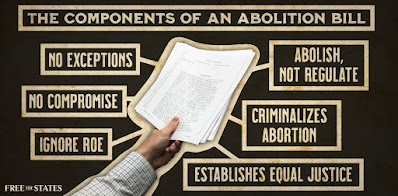








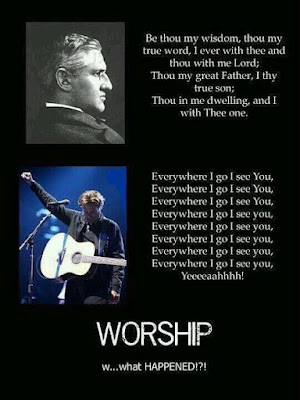

-
Subscribe
Subscribed
Already have a WordPress.com account? Log in now.
 Zach Uram's Blog