
LET’S CLARIFY MERITIVE AND SALVING
A response to Catholics who say they are saved by faith and that good works are not salvific and meritorious. Your denomination teaches that the practice of good works is necessary for salvation and that the Christian under the influence of grace deserves for himself and others the graces to sanctify and save himself.
Stop gaslighting Biblical Christians by lying and changing Rome’s doctrine in your comments on fb groups trying to make it appear less unbiblical than it is. This trick will not work.
1. Catechism of Pius X
39 Q. What are the conditions necessary to OBTAIN HEAVEN?
A. The conditions necessary to obtain Heaven are the grace of God, THE PRACTICE OF GOOD WORKS, and perseverance until death in His holy love.
2. Catechism Catholic Church
2010 Since the initiative belongs to God in the order of grace, no one can merit the initial grace of forgiveness and justification, at the beginning of conversion. Moved by the Holy Spirit and by charity, WE CAN THEN MERIT FOR OURSELVES AND FOR OTHERS THE GRACES NEEDED FOR OUR SANCTIFICATION, FOR THE INCREASE OF GRACE AND CHARITY, AND FOR THE ATTAINMENT OF ETERNAL LIFE. Even temporal goods like health and friendship can be merited in accordance with God’s wisdom. These graces and goods are the object of Christian prayer. Prayer attends to the grace we need for MERITORIOUS ACTIONS.
3. Compendium of the Catechism of Catholic Church
426. What is merit?
In general merit refers to the right to recompense for a good deed. With regard to God, we of ourselves are not able to merit anything, having received everything freely from him. However, GOD GIVES US THE POSSIBILITY OF ACQUIRING MERIT through union with the love of Christ, who is the source of OUR MERITS BEFORE GOD. The MERITS FOR GOOD WORKS, therefore must be attributed in the first place to the grace of God and THEN TO THE FREE WILL OF MAN.
427. What are the goods that we can merit?
Moved by the Holy Spirit, WE CAN MERIT FOR OURSELVES AND FOR OTHERS THE GRACES NEEDED FOR OUR SANCTIFICATION AND FOR THE ATTAINMENT OF ETERNAL LIFE. Even temporal goods, suitable for us, can be merited in accordance with the plan of God. No one, however, can merit the initial grace which is at the origin of conversion and justification.
According to Catholic doctrine, man has a true merit before God, which is given to him by the merit of Christ, but ultimately salvation still depends on his collaboration with action. There are things to do that if they are not done, will cause one to lose salvation. It is not a continuous gift from God from beginning to end.
Let’s instead see the true biblical doctrine on good works:
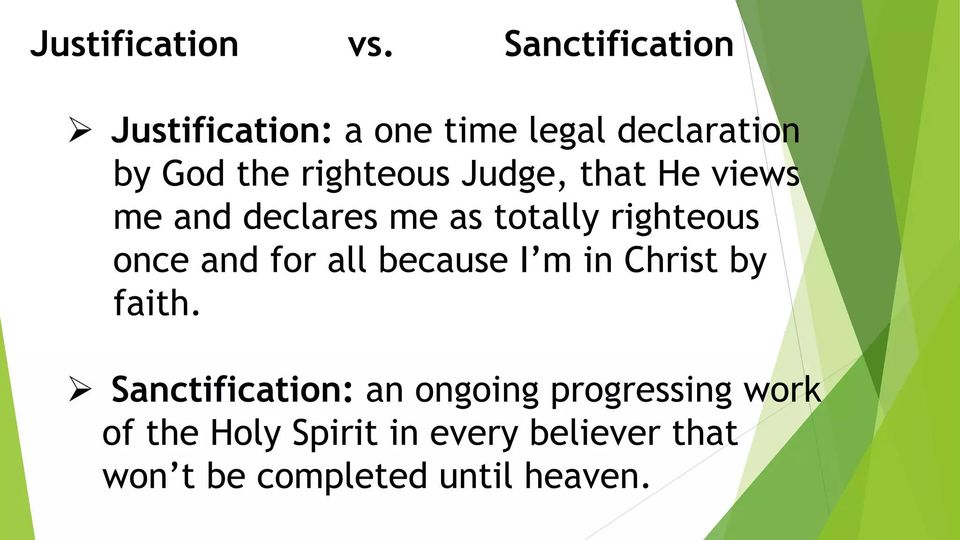
Q. 70. What is justification?
A. Justification is an act of God’s free grace unto sinners, in which he pardoneth all their sins, accepteth and accounteth their persons righteous in his sight; not for any thing wrought in them, or done by them, but only for the perfect obedience and full satisfaction of Christ, by God imputed to them, and received by faith alone.
Rom. 3:22, 24-25; Rom. 4:5; 2 Cor. 5:19, 21; Rom. 3:22, 24-25, 27-28; Titus 3:5, 7; Eph. 1:7; Rom. 5:17-19; Rom. 4:6-8; Acts 10:43; Gal. 2:16; Phil. 3:9.
Q. 71. How is justification an act of God’s free grace?
A. Although Christ, by his obedience and death, did make a proper, real and full satisfaction to God’s justice in the behalf of them that are justified; yet in as much as God accepteth the satisfaction from a surety, which he might have demanded of them, and did provide this surety, his own only Son, imputing his righteousness to them, and requiring nothing of them for their justification but faith, which also is his gift, their justification is to them of free grace.
Rom. 5:8-10, 19; 1 Tim. 2:5-6; Heb. 10:10; Matt. 20:28; Dan. 9:24, 26; Isa. 53:4-6; Isa. 53:10-12; Heb. 7:22; Rom. 8:32; 1 Pet. 1:18-19; 2 Cor. 5:21; Rom. 3:24-25; Eph. 2:8; Eph. 1:7.
Q. 72. What is justifying faith?
A. Justifying faith is a saving grace, wrought in the heart of a sinner, by the Spirit and Word of God, whereby he, being convinced of his sin and misery, and of the disability in himself and all other creatures to recover him out of his lost condition, not only assenteth to the truth of the promise of the gospel, but receiveth and resteth upon Christ and his righteousness therein held forth, for pardon of sin, and for the accepting and accounting of his person righteous in the sight of God for salvation.
Heb. 10:39; 2 Cor. 4:13; Eph. 1:17-19; Rom. 10:14, 17; Acts 2:37; Acts 16:30; John 16:8-9; Rom. 5:6; Eph. 2:1; Acts 4:12; Eph. 1:13; John 1:12; Acts 16:31; Acts 10:43; Phil. 3:9; Acts 15:11.
Q. 73. How doth faith justify a sinner in the sight of God?
A. Faith justifies a sinner in the sight of God, not because of those other graces which do always accompany it, or of good works that are the fruits of it, nor as if the grace of faith, or any act thereof, were imputed to him for his justification; but only as it is an instrument by which he receiveth and applieth Christ and his righteousness.
Gal. 3:11; Rom. 3:28; Rom. 4:5; Rom. 10:10; John 1:12; Phil. 3:9; Gal. 2:16.
Q. 74. What is adoption?
A. Adoption is an act of the free grace of God, in and for his only Son Jesus Christ, whereby all those that are justified are received into the number of his children, have his name put upon them, the Spirit of his Son given to them, are under his fatherly care and dispensations, admitted to all the liberties and privileges of the sons of God, made heirs of all the promises, and fellow-heirs with Christ in glory.
1 John 3:1; Eph. 1:5; Gal. 4:4-5; John 1:12; 2 Cor. 6:18; Rev. 3:12; Gal. 4:6; Ps. 103:13; Prov. 14:26; Matt. 6:32; Heb. 6:12; Rom. 8:17.
Q. 75. What is sanctification?
A. Sanctification is a work of God’s grace, whereby they whom God hath before the foundation of the world chosen to be holy, are in time through the powerful operation of his Spirit, applying the death and resurrection of Christ unto them, renewed in their whole man after the image of God; having the seeds of repentance unto life, and all other saving graces, put into their hearts, and those graces so stirred up, increased, and strengthened, as that they more and more die unto sin and rise unto newness of life.
Eph. 1:4; 1 Cor. 6:11; 2 Thess. 2:13; Rom. 6:4-6; Eph. 4:23-24; Acts 11:18; 1 John 3:9; Jude 1:20; Heb. 6:11-12; Eph. 3:16-19; Col. 1:10-11; Rom. 6:4, 6, 14; Gal. 5:24.
Q. 76. What is repentance unto life?
A. Repentance unto life is a saving grace, wrought in the heart of a sinner by the Spirit and word of God, whereby, out of the sight and sense, not only of the danger, but also of the filthiness and odiousness of his sins, and upon the apprehension of God’s mercy in Christ to such as are penitent, he so grieves for and hates his sins, as that he turns from them all to God, purposing and endeavouring constantly to walk with him in all the ways of new obedience.
2 Tim. 2:25; Zech. 12:10; Acts 11:18, 20-21; Ezek. 18:28, 30, 32; Luke 15:17-18; Hos. 2:6-7; Ezek. 36:31; Isa. 30:22; Joel 2:12-13; Jer. 31:18-19; 2 Cor. 7:11; Acts 26:18; Ezek. 14:6; 1 Kings 8:47-48; Ps. 119:6, 59, 128; Luke 1:6; 2 Kings 23:25.
Q. 77. Wherein do justification and sanctification differ?
A. Although sanctification be inseparably joined with justification, yet they differ, in that God in justification imputeth the righteousness of Christ; in sanctification his Spirit infuseth grace, and enableth to the exercise thereof; in the former, sin is pardoned; in the other, it is subdued; the one doth equally free all believers from the revenging wrath of God, and that perfectly in this life, that they never fall into condemnation; the other is neither equal in all, nor in this life perfect in any, but growing up to perfection.
1 Cor. 6:11; 1 Cor. 1:30; Rom. 4:6, 8; Ezek. 36:27; Rom. 3:24-25; Rom. 6:6, 14; Rom. 8:33-34; 1 John 2:12-14; Heb. 5:12-14; 1 John 1:8, 10; 2 Cor. 7:1; Phil. 3:12-14.
Q. 78. Whence ariseth the imperfection of sanctification in believers?
A. The imperfection of sanctification in believers ariseth from the remnants of sin abiding in every part of them, and the perpetual lustings of the flesh against the spirit; whereby they are often foiled with temptations, and fall into many sins, are hindered in all their spiritual services, and their best works are imperfect and defiled in the sight of God.
Rom. 7:18, 23; Mark 14:66-72; Gal. 2:11-12; Heb. 12:1; Isa. 64:6; Ex. 28:38.
Q. 79. May not true believers, by reason of their imperfections, and the many temptations and sins they are overtaken with, fall away from the state of grace?
A. True believers, by reason of the unchangeable love of God, and his decree and covenant to give them perseverance, their inseparable union with Christ, his continual intercession for them, and the Spirit and seed of God abiding in them, can neither totally nor finally fall away from the state of grace, but are kept by the power of God through faith unto salvation.
Jer. 31:3; 2 Tim. 2:19; Heb. 13:20-21; 2 Sam. 23:5; 1 Cor. 1:8-9; Heb. 7:25; Luke 22:32; 1 John 3:9; 1 John 2:27; Jer. 32:40; John 10:28; 1 Peter 1:5.
Q. 80. Can true believers be infallibly assured that they are in the estate of grace, and that they shall persevere therein unto salvation?
A. Such as truly believe in Christ, and endeavor to walk in all good conscience before him, may, without extraordinary revelation, by faith grounded upon the truth of God’s promises, and by the Spirit enabling them to discern in themselves those graces to which the promises of life are made, and bearing witness with their spirits that they are the children of God, be infallibly assured that they are in the estate of grace and shall persevere therein unto salvation.
1 John 2:3; 1 Cor. 2:12; 1 John 3:14, 18-19, 21, 24; 1 John 4:13, 16; Heb. 6:11-12; Rom. 8:16; 1 John 5:13.
Q. 81. Are all true believers at all times assured of their present being in the estate of grace, and that they shall be saved?
A. Assurance of grace and salvation not being of the essence of faith, true believers may wait long before they obtain it; and, after the enjoyment thereof, may have it weakened and intermitted, through manifold distempers, sins, temptations, and desertions; yet are they never left without such a presence and support of the Spirit of God, as keeps them from sinking into utter despair.
Eph. 1:13; Isa. 1:10; Ps. 88:1-18; Ps. 77:1-12; Song of Songs 5:2-3, 6; Ps. 51:8, 12; Ps. 31:22; Ps. 22:1; 1 John 3:9; Job 13:15; Ps. 73:15, 23; Isa. 54:7-10.
 Zach Uram's Blog